
Diplomacy is often portrayed as a noble pursuit, a pathway to peace. Yet diplomacy with dictatorships is never neutral. When leaders extend talks to regimes that openly declare their hostility, they risk legitimizing tyranny and undermining those who resist it.
Just days ago, Iran’s so-called Supreme Leader, Ali Khamenei, made his position unmistakably clear. He rejected direct negotiations with the United States, calling them a “dead end” and branding American demands as “bullying.” His rhetoric is nothing new, but the timing is revealing, while his proxies intensify attacks on Israel, he simultaneously slams the door on compromise. This is the regime’s pattern using the mirage of diplomacy to buy time, sow division, and expand aggression.
Recent developments at the United Nations further illustrate the tension. Iranian officials attending the General Assembly in New York faced new U.S. restrictions on their movements, confined to a small radius around U.N. headquarters. Tehran quickly objected, calling the measures a violation of diplomatic norms. But the episode highlights a deeper truth: even within international forums, engagement with the Islamic Republic is marked by mistrust and pressure, not mutual respect.
To normalize Tehran under such conditions is reckless. It strengthens a system that thrives on exporting terror, silencing dissent, and treating Israel as its eternal enemy.
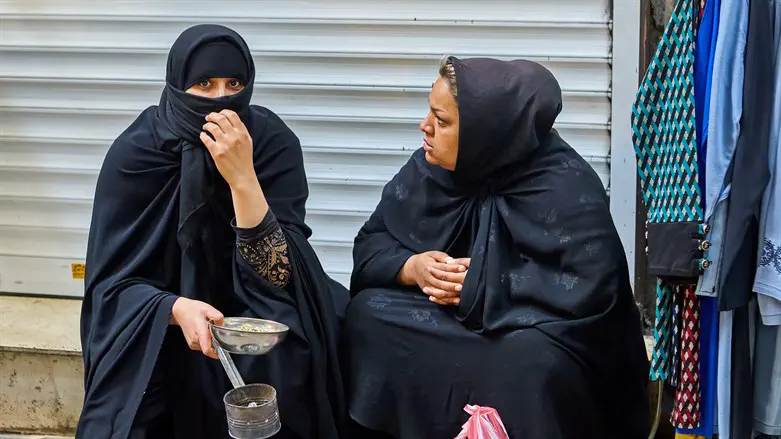
Worse, it betrays the people inside Iran, especially women who risk everything to demand freedom. Every time the international community sits with Tehran as if it were a normal government, those women’s voices are pushed further into the shadows. The world forgets that the real Iran is not Khamenei’s court of loyalists but the millions who once chanted “Woman, Life, Freedom” in the streets.
That resistance has not faded. Just weeks ago, Iranians around the world gathered for Mahsa Day, marking the anniversary of Mahsa Amini’s death. The demonstrations led largely by women and supported by the organized opposition abroad showed that the fight for freedom remains alive. These rallies are not symbolic; they are lifelines for those still resisting inside Iran, reminding the world that the regime’s grip is far from absolute.
From my vantage point as an Iranian woman living in the United States, I have watched with both pain and pride. Pain, because I know the brutality of this regime. Pride, because I see my people, especially women, stand defiantly against it. To negotiate with Tehran without conditions is not pragmatism; it is appeasement. It rewards cruelty and punishes courage.
Israel, standing on the front line of Iran’s hostility, knows better than most that a regime fueled by ideology cannot be pacified by dialogue alone. Every concession is read in Tehran not as goodwill but as weakness. Every handshake on the world stage becomes a propaganda victory at home.
This is not to say diplomacy has no place. Dialogue can serve narrow, verifiable ends such as nuclear inspections or humanitarian exchanges but only under strict conditions and constant scrutiny. What cannot happen is the transformation of Tehran into a “normal” partner while its leader openly declares negotiations useless and its militias rain terror across the region.
The choice before the West is clear: either grant legitimacy to a regime that denies freedom at home and wages war abroad, or stand firmly with those under attack in Israel, the Iranian women resisting tyranny, and the global opposition who march for Mahsa and embody the true fight for dignity and peace. History has already taught us what appeasement yields. We cannot afford to repeat it.
Negar Karamati, a Baháʼí Iranian-American journalist and legal advocate, brings a vital voice to the conversation. Based in Los Angeles, she has been active in journalism since 2009, serving as a news editor, reporter, anchor, and translator across Persian-language and international media outlets. Karamati works in close coordination with opposition movements seeking a democratic future for Iran.With a professional certificate in paralegal studies, she integrates legal knowledge into her coverage, analyzing how discriminatory laws fuel human rights abuses.
“My mission is to document truth, challenge injustice, and give voice to those living under tyranny—especially women and minorities. As someone shaped by both the pain of repression and the freedom of exile, I see it as my duty to speak out.”