
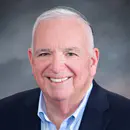
Stephen M. Flatow is President of the Religious Zionists of America (RZA) He is the father of Alisa Flatow, who was murdered in an Iranian-sponsored Palestinian terrorist attack in 1995 and the author of A Father’s Story: My Fight for Justice Against Iranian Terror. Note: The RZA is not affiliated with any American or Israeli political party.
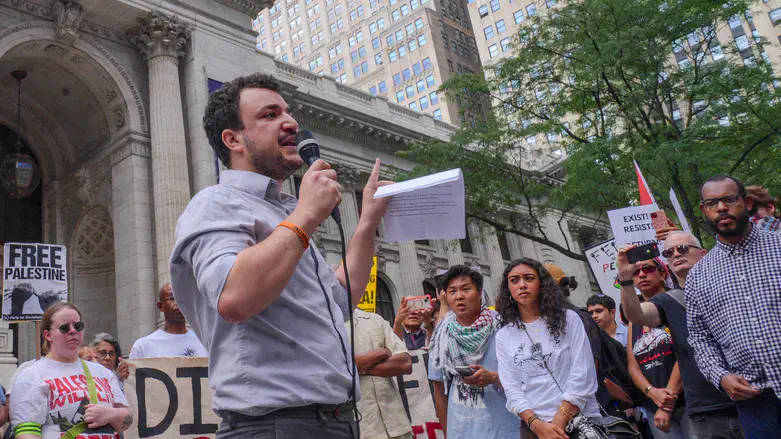
A U.S. immigration judge has ordered the deportation of Mahmoud Khalil, the Columbia University activist who became the face of last year’s anti-Israel protests. Khalil insists he is being targeted for his views. The truth is more troubling: he concealed his affiliations, misrepresented his background, and exploited America’s immigration system.
This is not simply a paperwork dispute. It is a reminder of how hostile actors can use America’s openness as a weapon—and how dangerous it is when the U.S. hesitates to act.
Khalil, a Palestinian Arab born in Syria and also a citizen of Algeria, secured a green card by hiding key facts. He failed to disclose his ties to UNRWA, the UN agency that has long been accused of enabling Hamas in Gaza. He minimized his leadership role in Columbia University Apartheid Divest, which led disruptive anti-Israel protests. And questions linger about his foreign employment.
An immigration judge concluded that these were not harmless mistakes but deliberate efforts to deceive. The ruling: Khalil should be deported to Algeria, or if that fails, to Syria.
Earlier this year, Khalil was detained in Louisiana. His supporters painted him as a political prisoner, but in truth he was being held because his presence raised red flags. A federal judge ordered his release after three months, ruling that detention on “foreign policy grounds” alone could not stand. But now, with the fraud ruling in hand, the case has escalated: Khalil has lost his legal foothold in the United States.
Khalil’s case is about more than immigration fraud. It is about infiltration. When a man with ties to organizations linked to terror hotbeds gains legal residency in the U.S.—while simultaneously leading aggressive anti-Israel actions on campus—it raises questions of loyalty, ideology, and potential radicalization.
This is not a theoretical concern. The FBI has repeatedly warned about foreign influence operations and the use of American campuses as staging grounds for propaganda and recruitment. The possibility that Khalil’s concealments were designed to obscure dangerous associations cannot be dismissed.
For Israel and the Jewish community, the case is a chilling reminder: anti-Israel activism in the U.S. does not always end with chants and marches. Sometimes it is backed by networks with far more sinister agendas.
Even with the deportation order, Khalil may never actually leave. His lawyers are preparing appeals, civil liberties groups are rallying to his side, and at least one federal injunction already blocks his immediate removal. Add to that the logistical hurdles of deporting him to Syria or securing Algeria’s cooperation, and the process could drag on for years.
This is where the real test lies:
Will America enforce its laws and remove a man who deceived his way into permanent residency, or will it fold under political pressure?
There is a lesson here for democracies.
The Khalil case illustrates the danger of hesitation. A nation that cannot act against those who exploit its openness is a nation that invites further abuse. Democracies, whether in Washington or Jerusalem, must be clear-eyed: movements that call for Israel’s destruction are not just noisy protests. They are part of a wider campaign to undermine security from within.
Khalil’s deportation order should be carried out. Anything less sends a message that America lacks the resolve to defend itself against those who exploit its freedoms while seeking to undermine its allies.