

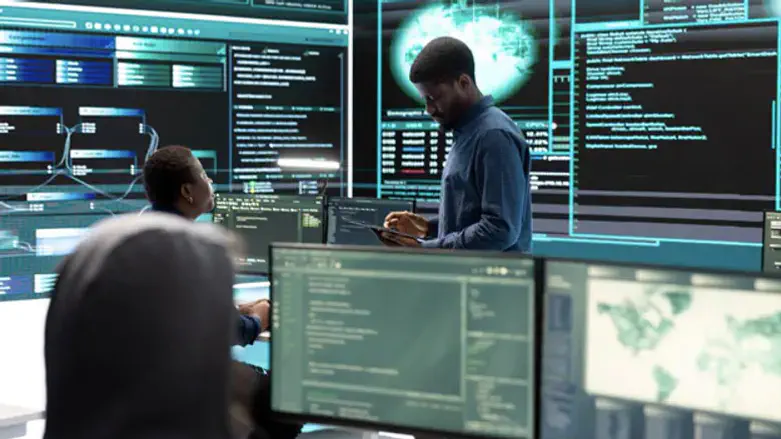
MacBooks are popular in Israel - from government offices to schools, private companies and homes. The belief that Macs are virus-secure is not new in Israel. However, changing threat techniques proves otherwise. Hackers use viruses, leading to many cyber attacks and loss of important data.
These types of malware track communication and drive busy systems into a standstill. One virus attack could change the economy and disrupt everything. These include disrupting energy supply, banking and government operations.
Virus attack threats are common in Israel
Cyber attacks in Israel range from malware to resident viruses and worms. They include Trojans, macro viruses and file vector viruses. Israel has experienced many attacks recently. Examples are the Bashee macOS Stealer and Cthulhu Stealer that stole private data undetected. Based on data, attacks from groups in Iran recently increased by 700 percent. These cyber attacks in Israel have driven the country into cybersecurity innovations.
Rising companies that include Moonlock ensure cybersecurity for every common user. It also promotes the idea that proactive protection measures are the best steps to take whenever you discover a virus on Mac. Understanding the type of virus and knowing how to remove malware are essential. Some malware may hide in your Mac even after a factory reset. To remove them completely without compromising data, a strong antivirus tool with advanced security features is required.
Exposure to public safety
Some viruses are designed to control operating systems and communication platforms. Hackers can spread fake messages about public safety, such as warnings of a looming fuel shortage. This could cause panic, rushes to gas stations, traffic congestion and even opportunities for terrorism.
Attack on critical infrastructure
A Mac virus could open the door to attacks on vital infrastructure. Banks, weapon factories and government institutions could all be affected, crippling the country’s economy.
Threats to national security
Terrorists may target security systems and feed false information to security forces, disabling their ability to respond to real threats. This could trigger sudden crises and even result in loss of lives.
Threat to the supply chain
Nearly all systems in Israel are connected to the internet. A virus attack might start from a small retail store and spread to large companies, causing downtime that disrupts the entire supply chain.
Strategies for Mac virus protection in Israel
Mac virus attacks pose serious dangers to businesses, homes, public institutions and schools. Individuals and corporations need to understand these threat scenarios and act quickly. Cybersecurity is critical, and rapid response can make the difference. Steps to reduce risks include:
- Software updates: Updated systems carry the latest defenses against attacks.
- Improved national cybersecurity defenses: Establish training and research centers, and increase funding for security programs.
- Enhanced protection tools: Develop or upgrade Mac virus protection applications.
- Training the population: Organizations, schools and communities should provide regular cyber training.
- Threat intelligence: Governments and organizations should stay alert to possible threats and enhance Mac security tools.
Why cybersecurity is important in Israel
Flame, Stuntex and Duqu were some of the attacks against Israel in the 2010s. In recent years, attacks have grown in both scale and frequency, targeting both the government and citizens. Thousands of hackers now target Israel, and Mac use is expanding, creating an even larger attack surface.
The country is engaged in global conflicts where attackers are refining their strategies. Proactive measures must cover every connection point, from airports and homes to the military and organizations. Hackers seek to disrupt services, steal data and damage public trust. Vulnerable Mac apps, unsafe browsing, infected files and outdated software all serve as entry points for attacks.
The future of cybersecurity in Israel
Cybersecurity in Israel is complex and constantly evolving. Online threats here are among the most serious in the world, with hundreds of criminal groups joining forces to launch stronger attacks.
The responsibility lies with the government, the business community and individual citizens. Future security must prioritize Mac protection, whether on personal devices or office systems. Strategic efforts will require cooperation between the public and private sectors. Universities will play a key role, and investment in research and education will be critical. Israel may also consider strengthening its cybersecurity laws with stricter penalties and surveillance.
Technologies that will improve cybersecurity in Israel
Several emerging technologies are expected to improve Mac security in Israel and strengthen nationwide cybersecurity. Artificial intelligence is already being used for monitoring and preventing attacks. Quantum encryption will make unauthorized access nearly impossible.
Cloud security offers safer data storage beyond the local macOS environment. A zero-trust model will ensure no user is automatically trusted, and biometric authentication such as fingerprints, facial recognition, and voice ID will reduce risks dramatically.
Israel’s technological edge, supported by its skilled developers, provides a strong foundation to build world-class cybersecurity solutions.
Final thoughts
Israeli citizens should not consider Macs as virus-free devices. The country faces virus threats daily, and practical protection measures are essential. Mac users must combine antivirus tools, training, intelligence and regular software updates to reduce risks and strengthen national cybersecurity.