

The United Nations Independent International Commission of Inquiry on the Syrian Arab Republic has released a report detailing a wave of violence that engulfed coastal and western central Syria beginning in January, culminating in massacres in early March. The report states that acts committed during this period may amount to war crimes.
According to the Commission, the violence, which primarily targeted Alawite communities, involved murder, torture, the mistreatment of the dead, widespread looting, and the burning of homes. These acts displaced tens of thousands of civilians, and many of the atrocities were documented and disseminated via social media.
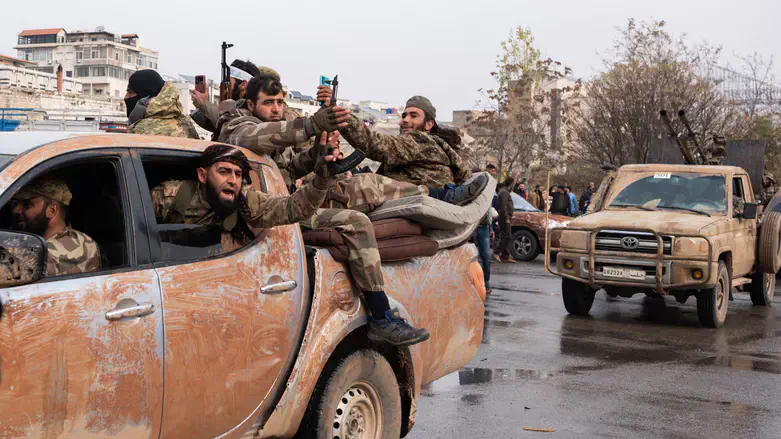
The report attributes responsibility for these crimes to both members of the interim government’s forces and pro-former government fighters, as well as private individuals operating alongside them. In some cases, interim government security forces reportedly attempted to protect civilians, while in others, factions incorporated into those forces committed widespread and systematic abuses, including extrajudicial executions and torture, often targeting individuals based on religious affiliation.
"The scale and brutality of the violence documented in our report is deeply disturbing," said Commission Chair Paulo Sérgio Pinheiro. "We call on the interim authorities to continue to pursue accountability for all perpetrators, regardless of affiliation or rank."
Commissioner Lynn Welchman added, "The affected communities need to see urgent action to increase their protection. Individuals suspected of involvement in violations should be immediately removed from active duties pending investigation."
The findings are based on over 200 interviews with victims and witnesses and follow an extensive investigation conducted in June 2025, during which the interim authorities granted the Commission unfettered access to affected areas in Latakia and Tartus.
The violence was triggered by a March 6 arrest operation by the Syrian interim government, which provoked retaliation from pro-former government fighters. The conflict quickly escalated, leading to the deaths of approximately 1,400 people, mostly civilians, including around 100 women, children, elderly and disabled individuals.
In response, the interim president appointed a National Inquiry on March 9, which identified 298 alleged perpetrators from military factions and 265 from pro-former government groups. These names have been referred to the attorney general.
Commissioner Hanny Megally urged further steps: "We urge the prompt release of their full report, implementation of the recommendations, and reform of the judiciary to enable rights-compliant trials for all accused."
Syria’s Minister of Foreign Affairs and Expatriates, Asaad Hasan Al-Shaibani, welcomed the Commission's efforts. He highlighted the Syrian government’s decision not to oppose the renewal of the Commission’s mandate—a shift from previous regimes—and emphasized the unprecedented access granted to investigators.
"These efforts reflect our determination to build institutions rooted in justice and the rule of law, after inheriting them in a state of collapse and corruption from the Assad regime," Al-Shaibani stated.
He also praised the coordination between the UN Commission and Syria’s Independent National Commission, noting the latter’s public reporting and transparency. Al-Shaibani expressed appreciation for the acknowledgment that no evidence was found of a government policy directing the crimes and reiterated Syria’s commitment to protecting all citizens.
US Special Envoy to Syria Tom Barrack responded positively to the report, calling it "a serious step towards definable and traceable metrics to the Syrian government’s responsibility, transparency, and accountability."
"A united, inclusive Syria requires justice pursued consistently and some cadenced patience from the outside world," Barrack added.
The Commission concluded by reiterating its calls for de-escalation, respect for human rights, and the protection of civilians, emphasizing the need for the swift implementation of its recommendations and international support for Syria’s ongoing reforms.
-ENDS-