

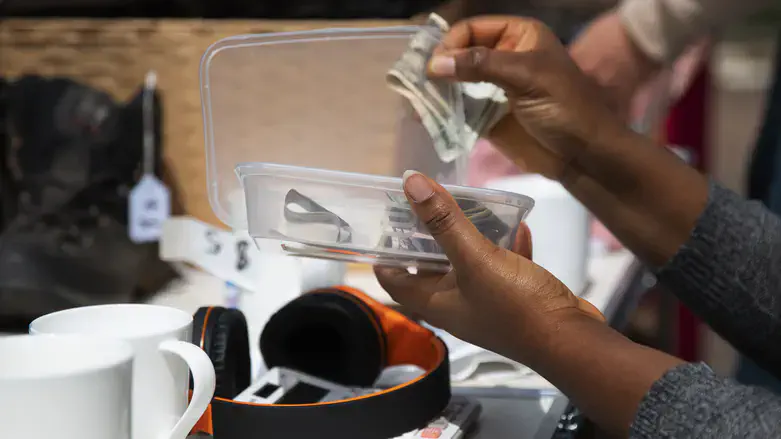
Unexpected bills, sudden job loss, or rising everyday expenses can prompt anyone to seek fast financial relief. In moments like these, many turn to options that offer quick access to cash without long applications or credit checks. One of those options, seeing renewed attention, is pawning. It’s not new, but its use is growing as more people face financial pressure.
Pawning provides individuals with a means to borrow against personal items without permanently parting with them, at least not immediately. It’s often seen as a practical short-term solution, especially when other lending options seem out of reach. Some might hesitate at first, but the promise of instant cash can outweigh second thoughts when rent, groceries, or repairs can’t wait.
How Pawning Works as a Cash Option
Most pawn transactions begin when someone brings an item of value to a pawn shop. This could be anything from jewelry to electronics. The shop assesses the item and offers a loan based on a percentage of its resale value. If the person accepts, they leave the item with the pawnbroker and walk out with cash in hand, often in less than an hour.
Unlike traditional loans, there’s no credit check involved and no lengthy paperwork. The pawned item acts as collateral, which means the lender holds it until the loan is repaid. If the borrower repays the full amount, including fees, within the agreed time, they get their item back. If not, the shop keeps the item and puts it up for sale. It’s a simple, transaction-based process.
Common Items People Use for Loans
If you're wondering what you can pawn, many everyday items can fetch around $200 or more, depending on their condition and market value. Jewelry, especially gold and diamonds, remains one of the most valuable things you can pawn due to its steady demand and high resale potential. Next most valuable are electronics such as laptops, smartphones, and gaming consoles, which are easy to evaluate and often yield solid loan amounts. Musical instruments, power tools, and designer handbags also hold good pawn value, particularly when in excellent condition. Depending on the shop’s policies and local laws, some may also accept firearms.
If you don’t have items to pawn, online short-term personal loans can be a practical alternative—particularly when cash is urgently needed. These lenders often offer rapid approval and funding, with fewer requirements than traditional loan options.
These loans are often offered in installments, making them easier to manage within your budget compared to a lump-sum repayment.
Why Pawning Appeals to So Many
Pawning attracts individuals who require immediate cash but prefer not to rely on traditional lenders. Banks and credit card companies often require good credit and detailed applications. For someone dealing with an unexpected bill or temporary financial setback, pawning can feel like a more straightforward option. There’s no lengthy approval process and no requirement to justify how the money will be used. In many cases, the entire transaction is completed in a single visit.
Another reason people turn to pawning is that it feels less risky than selling. Instead of permanently giving up something valuable, they’re only parting with it for a short time. As long as the loan is repaid on time, the item is returned. For those in a tight spot but hopeful their situation will improve soon, this arrangement offers peace of mind without closing doors.
What Makes Pawning Risky
While pawning provides quick access to cash, it also comes with trade-offs. Rates and fees can be high, especially if the loan stretches beyond the original terms. Many borrowers don’t fully realize how quickly those extra costs add up. Missing the repayment window means the shop retains the item, and there’s no option to retrieve it once it has been sold, a serious risk for anyone pawning something important.
There’s also the emotional side of losing personal items. A necklace passed down from a grandparent or a camera tied to someone’s job can carry more than just market value. If repayment isn’t possible, parting with that item can feel like more than a financial loss. For many, pawning is a last resort, and while it can be helpful, it comes with stress and uncertainty.
Smart Ways to Manage the Drawbacks
To avoid surprises, borrowers should understand all terms upfront. Asking about fees, repayment deadlines, and grace periods can reduce confusion later. Always request a printed receipt with the full loan details. Those who approach pawning with a clear plan are more likely to get their item back without overpaying.
Another smart approach is to choose carefully what to pawn. It helps to start with items that are valuable enough for a decent loan but not personally significant. That way, if something goes wrong, the emotional toll is lower. Some borrowers even use pawning in combination with other budgeting steps, like cutting unnecessary expenses or selling unused goods outright.
A Temporary Fix With Long-Term Considerations
Pawning can be a helpful option when cash is tight and time is short. It provides people with a way to meet urgent needs without relying on traditional lenders or incurring new debt. However, it works best when borrowers understand the terms, choose items wisely, and have a clear plan to repay them. For those who approach it carefully, pawning can serve as a practical, short-term solution during uncertain financial times.