

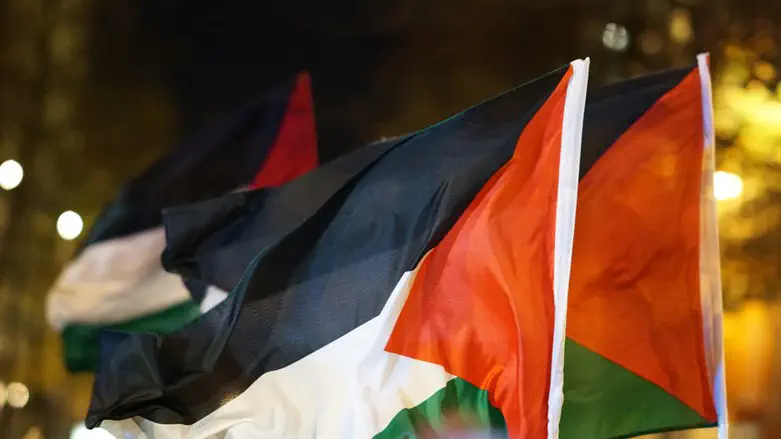
The United States has announced the imposition of visa restrictions on members of the Palestine Liberation Organization (PLO) and officials of the Palestinian Authority (PA), citing violations of longstanding US legislation.
The sanctions, implemented under section 604(a)(1) of the Middle East Peace Commitments Act of 2002 (MEPCA), come in response to a report submitted by the State Department to Congress. The report determined that the PLO and PA are not in compliance with their commitments under both MEPCA and the PLO Commitments Compliance Act of 1989 (PLOCCA).
According to the State Department, the PLO and PA have taken actions that undermine commitments to United Nations Security Council Resolutions 242 and 338. These include initiating proceedings against Israel through international bodies such as the International Criminal Court (ICC) and the International Court of Justice (ICJ), as well as supporting terrorism through incitement, glorification of violence in educational materials, and the provision of financial incentives to Palestinian terrorists and their families.
A State Department statement emphasized that the sanctions are in the national security interests of the United States and are intended to impose consequences and ensure accountability for undermining the prospects for peace in the region.
Israeli Foreign Minister Gideon Sa'ar commended US Secretary of State Marco Rubio and the State Department for what he calls their "moral clarity" in sanctioning officials of the Palestinian Authority and members of the PLO.
"The PA must be held accountable for its ongoing policy of 'Pay-for-Slay' for terrorists and their families and incitement against Israel in its schools, textbooks, mosques, and media," Sa'ar stated.
"This important action by President Trump and his administration also exposes the moral distortion of certain countries that ran to recognise a virtual Palestinian state while turning a blind eye to its support for terror and incitement," he added.