

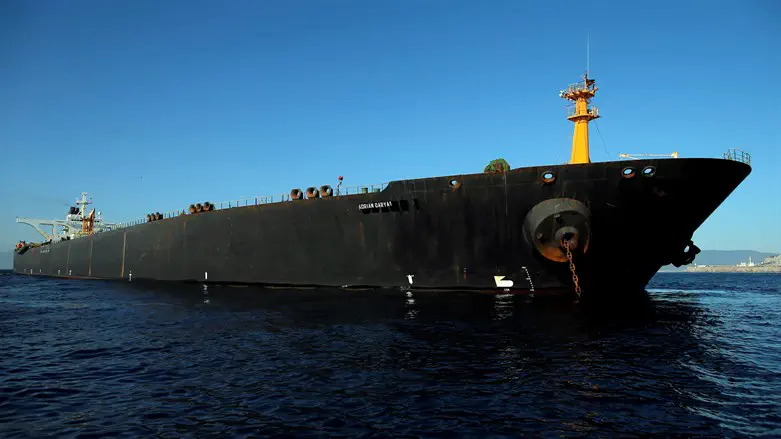
The US Department of the Treasury’s Office of Foreign Assets Control (OFAC) announced sanctions on Thursday targeting networks involved in the smuggling and sale of Iranian oil. These actions have led to the designation of several entities, including a network run by Iraqi businessman Salim Ahmed Said, which has facilitated the covert transportation and sale of Iranian oil disguised as Iraqi oil. The smuggling operations, which are believed to have generated billions of dollars, have, in some cases, benefited Iran’s Islamic Revolutionary Guard Corps-Quds Force (IRGC-QF), a designated Foreign Terrorist Organization.
The sanctions are part of a continued effort by the US to disrupt Iran’s access to financial resources that fuel its destabilizing activities across the region. Secretary of the Treasury Scott Bessent highlighted the US commitment to targeting Tehran’s revenue sources. “As President Trump has made clear, Iran’s behavior has left it decimated. While it has had every opportunity to choose peace, its leaders have chosen extremism,” he said. “Treasury will continue to target Tehran’s revenue sources and intensify economic pressure.”
The sanctions are issued under Executive Order (E.O.) 13902, which focuses on the Iranian petroleum and petrochemical sectors, and under E.O. 13224, which targets entities engaged in terrorism-related activities. This marks the eighth round of sanctions aimed at curbing Iran’s oil trade since the issuance of National Security Presidential Memorandum 2, which directed the maximum pressure campaign on the Iranian regime.
One of the key targets is Salim Ahmed Said, who operates a network of companies that have been involved in blending Iranian oil with Iraqi oil and selling it to Western buyers. Said’s companies have used ship-to-ship transfers and other methods to obscure the oil’s true origin. These activities have allowed Iran to circumvent international sanctions on its oil exports. Said has also been accused of bribing Iraqi officials to forge documents that make the oil appear as though it originates from Iraq.
Said's network includes VS Tankers, a UAE-based company that has smuggled Iranian oil and facilitated its sale on the international market. The company’s fleet has been involved in multiple ship-to-ship transfers with vessels known to be linked to Iranian oil activities. Treasury’s actions also target VS Oil, a company Said expanded in 2023, which manages oil storage tanks in Iraq and facilitates the blending of Iranian oil with Iraqi oil. VS Oil has been involved in smuggling hard currency into Iran as payment for oil.
Other vessels involved in the smuggling of Iranian oil, including the Panama-flagged BIANCA JOYSEL and the Comoros-flagged FOTIS, have also been sanctioned. These vessels have transported millions of barrels of Iranian oil and were linked to companies that facilitate these illicit activities. In addition, Trans Arctic Global, which arranges piloting services for Iranian vessels, has been designated for its role in supporting Iran’s petroleum trade.
The sanctions also target companies and individuals supporting Iran’s oil trade and the IRGC-QF’s efforts to generate revenue from oil exports. For example, the Al-Qatirji Company, which facilitates the sale of Iranian oil globally, has been linked to oil shipments involving vessels like the ELIZABET and ATILA, which have transported Iranian oil disguised as oil from other countries.
As a result of these actions, any assets of the designated entities in the U.S. or under U.S. jurisdiction are now blocked, and US persons are prohibited from engaging in transactions with them. Additionally, financial institutions and foreign entities that engage with these sanctioned persons may face secondary sanctions.
OFAC stated that it continues to leverage its economic sanctions as a tool to influence Iran’s behavior and encourage a shift towards more peaceful and responsible conduct.