
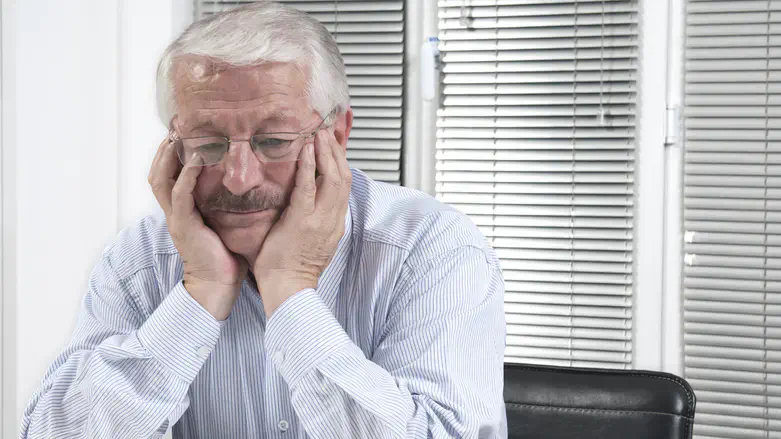
Many men struggle with the way they look and feel as they age. Balding, unwanted weight gain, fatigue, and changes in libido can appear gradually and often feel like a natural part of getting older. But when symptoms interfere with your daily life, relationships, and sense of self, it’s time to look deeper.
In recent years, more men have begun to recognize a pattern — a combination of physical, emotional, and mental changes that arise around midlife. These are often dismissed as signs of a “midlife crisis,” but the reality is more complex. There’s a biological process at play, and understanding it could be the first step toward taking back control of your health.
What Is Male Menopause?
Male menopause, also known as andropause, refers to the age-related hormonal decline men experience, primarily involving testosterone. Unlike menopause in women, which tends to happen rapidly and predictably, andropause is gradual and can be more difficult to recognize. But that doesn’t make it less real.
Testosterone levels slowly decline as men age, typically beginning in their 30s or even late 20s. This hormonal drop can cause a wide range of symptoms. These changes may be subtle at first, but they often intensify with time, leading to distress that can significantly affect your quality of life.
Although andropause is primarily driven by declining testosterone, growth hormone levels also play a role in energy, metabolism, and recovery. Many men choose Human Growth Hormone (HGH) and Testosterone Therapies to ease the symptoms of andropause and help restore their energy, hormone balance, and quality of life. These treatments aim to restore hormonal balance, address physical and emotional changes, and help you feel more like yourself again.
What Are the Symptoms of Men's Menopause?
The symptoms of andropause can affect your body, mood, and daily performance. Some of the most common include:
- Hair thinning or loss
- Ongoing fatigue
- Loss of muscle mass
- Weight gain, especially around the midsection
- Erectile dysfunction
- Reduced sex drive
- Gynecomastia (enlarged male breast tissue)
- Depression or low mood
- Hot flashes or night sweats
Studies show that symptoms of andropause typically begin after age 50, although they can appear earlier in some men.
Because these symptoms appear gradually, they’re easy to dismiss. But left untreated, they can have a serious impact on physical health, emotional well-being, and relationships.
Why It’s Easy to Miss the Signs
Midlife is often full of change. Children may be leaving home, careers are demanding more, and responsibilities keep growing. At the same time, your body starts to feel different, but it’s tempting to blame it all on stress.
This overlap between lifestyle and biology is why so many men overlook andropause. You’re tired — but maybe it’s just work. You’ve lost interest in sex — but maybe it’s the pressure of everyday life. You’ve gained weight — but maybe it’s because you haven’t had time to hit the gym.
The problem is that hormonal changes can mimic the effects of stress, making them harder to spot. But the cause matters. Andropause isn't just about feeling overwhelmed. It’s about your body changing on a chemical level, and that shift brings its own kind of stress.
Understanding the difference can change your entire approach. You may not need to “push harder” or “tough it out.” You might need support to restore what your body is no longer producing on its own.
Why Men Don’t Talk About It
Many men keep their symptoms to themselves. Some hope the problem will pass. Others feel embarrassed to talk about something they think they should be able to “fix” on their own. And some assume it’s just what happens with age, and there’s nothing to be done.
But andropause isn’t a passing phase. It’s a hormonal state that requires attention. Your testosterone levels won’t suddenly bounce back. If you’re struggling with symptoms that affect your health, mood, or confidence, pretending they aren’t there won’t help.
Ignoring the issue only delays the solution. The first step is acknowledging what you’re going through. The second is understanding that you’re not alone, and there are real, medical solutions available.
What Are the Solutions for Andropause?
Andropause may be a natural part of aging, but that doesn’t mean you have to accept feeling unlike yourself. Many men begin to feel better by making simple yet consistent changes to their lifestyle. Regular exercise, a protein-rich diet, better sleep habits, and stress management can all support hormone health and enhance overall well-being. Reducing alcohol, quitting smoking, and maintaining a healthy weight also make a significant difference.
Still, in many cases, lifestyle changes alone may not be enough. As mentioned earlier, HGH therapy and testosterone therapy remain the most reliable and clinically proven treatments for managing andropause symptoms. These therapies can help restore hormonal balance and address the root causes of fatigue, low libido, weight gain, and mood changes.
If you’re experiencing symptoms of male menopause, don’t ignore them. Speak with your doctor to explore your options and take the first step toward feeling like yourself again.
Male Menopause Is Not a Myth
Male menopause is real, and it’s not just a phase or a stress reaction. It’s a biological shift that affects millions of men — physically, emotionally, and mentally. But it’s also manageable.
By recognizing the signs of andropause and getting help from professionals who specialize in hormonal therapy, you can take back control of your life. You don’t have to settle for fatigue, weight gain, or a loss of drive. You deserve to feel like yourself again.
And with treatments, that goal is more within reach than ever.