
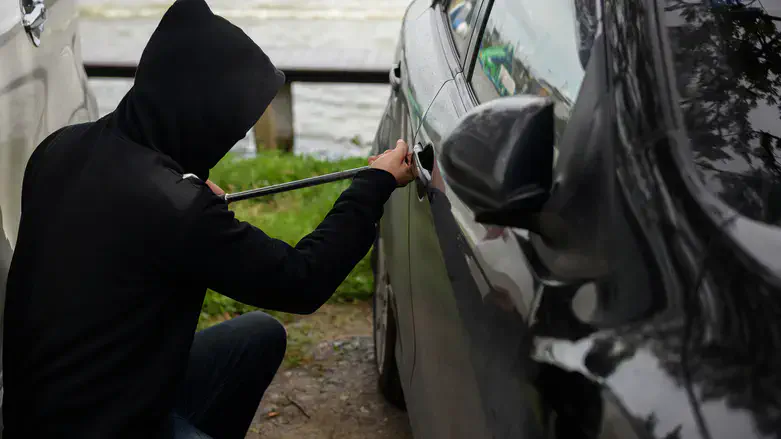
Accidents involving stolen vehicles create complex liability scenarios where the thief bears primary responsibility, but victims often rely on the owner's insurance policy or their own uninsured motorist coverage for compensation since car thieves rarely carry adequate insurance.
What Happens in Accidents Involving Stolen Vehicles
When a stolen car hits another vehicle, the legal and insurance implications become immediately complex. These incidents create unique challenges for accident victims, car owners, and insurance companies dealing with criminal acts that result in property damage and personal injuries. Consulting a vehicle collision lawyer in Seattle can provide essential guidance through these complex legal situations.
Understanding liability, insurance coverage, and legal options helps all parties navigate these complicated situations while protecting their financial interests and legal rights.
Car Theft and Subsequent Accidents
How Stolen Vehicle Accidents Occur
Car theft often leads to reckless driving behaviors that increase accident risks. Car thieves typically drive stolen vehicles with little regard for traffic laws or safety considerations, creating dangerous situations for other motorists and pedestrians.
Common scenarios include:
- High-speed chases with law enforcement
- Reckless driving to avoid detection
- Inexperienced drivers operating unfamiliar vehicles
- Abandoning vehicles after committing other crimes
- Joyriding incidents involving multiple passengers
- Using stolen cars to commit additional crimes
These factors make stolen car incidents particularly dangerous for other drivers and pedestrians sharing the roadway. The combination of criminal intent, panic, and unfamiliarity with the vehicle creates a perfect storm for severe accidents.
Types of Stolen Vehicle Incidents
Different circumstances surrounding car theft lead to varying accident patterns and liability issues. Understanding these distinctions helps accident victims and their attorneys develop appropriate legal strategies.
Opportunistic theft scenarios include:
- Vehicles left running with keys inside
- Cars unlocked in parking lots or driveways
- Key fobs left visible inside vehicles
- Spare keys hidden in obvious locations
Professional theft operations involve:
- Sophisticated bypass techniques for security systems
- Targeting specific vehicle models for resale
- Organized crime rings with established networks
- Export operations for overseas markets
Each type of theft creates different risk profiles for subsequent accidents and affects liability determinations.
Criminal and Civil Consequences
The unauthorized driver faces both criminal charges and civil liability for accidents caused during the theft. Criminal charges may include car theft, reckless driving, and hit-and-run if the thief flees the scene.
Criminal penalties typically include:
- Felony theft charges with potential prison time
- Additional charges for any weapons involved
- Enhanced penalties for repeat offenders
- Separate charges for traffic violations during the theft
Civil liability covers:
- Property damage to other vehicles and structures
- Medical expenses for injured parties
- Lost wages and rehabilitation costs
- Pain and suffering compensation
- Punitive damages in cases of extreme recklessness
However, most car thieves lack adequate assets or insurance coverage to pay substantial damages, making recovery challenging for accident victims.
Impact on Accident Severity
Stolen vehicle accidents often result in more severe injuries and property damage compared to typical car accidents. Several factors contribute to increased severity in these incidents.
Aggravating factors include:
- Higher speeds due to evasion attempts
- Impaired judgment from drugs or alcohol
- Panic responses leading to poor decision-making
- Delayed or absent emergency response
- Multiple vehicle involvement in chase scenarios
The severe injuries commonly seen in these accidents include traumatic brain injuries, spinal cord damage, broken bones, and internal organ damage requiring extensive medical care.
Car Owner Liability and Protection
Legal Protection for Victims of Theft
Car owners typically avoid liability when their stolen vehicle causes accidents, provided they report the theft promptly. Courts recognize that owners neither consented to the use nor negligently entrusted their vehicle to the thief.
Key protective factors include:
- Filing a police report immediately upon discovering the theft
- Cooperating with law enforcement investigation
- Notifying the insurance company without delay
- Maintaining proper documentation of the theft
- Providing witness statements if available
- Preserving any security footage of the incident
Car owners who secure their vehicles and report theft quickly generally face no legal responsibility for subsequent accidents. State laws vary regarding the specific requirements for owner protection, but prompt reporting remains universally important.
When Owners May Face Liability
Certain situations may expose car owners to potential negligence claims. These rare circumstances involve failing to take reasonable security measures or providing easy access to thieves.
Potential liability factors include:
- Leaving keys inside an unlocked vehicle
- Repeated failure to secure the car in high-crime areas
- Allowing unauthorized persons access to vehicle keys
- Negligent storage of spare keys or security devices
- Failing to use available anti-theft technology
- Ignoring known security vulnerabilities
Additional negligence scenarios involve:
- Lending vehicles to known criminals or impaired drivers
- Failing to maintain adequate insurance coverage
- Providing false information during theft reporting
- Delaying theft notification beyond reasonable time frames
Most cases involving these factors still result in minimal owner liability compared to the thief's responsibility, but victims may pursue claims against owners with deeper financial resources.
Preventive Measures for Car Owners
Proactive measures significantly reduce theft risks while strengthening legal protection if theft occurs. These security steps demonstrate reasonable care and help establish owner innocence.
Effective prevention strategies include:
- Always locking vehicles and removing keys
- Parking in well-lit, high-traffic areas
- Installing anti-theft devices and alarm systems
- Using steering wheel locks or other visible deterrents
- Avoiding leaving valuables visible inside vehicles
- Maintaining comprehensive insurance coverage
Advanced security options involve:
- GPS tracking systems for vehicle recovery
- Remote engine disable features
- Immobilizer systems preventing unauthorized starting
- Dashcam systems recording theft attempts
- Smart key technology with encryption
These measures not only prevent theft but also provide evidence supporting owner innocence if accidents occur involving stolen vehicles.
Auto Insurance Coverage for Stolen Vehicle Accidents
Comprehensive Coverage Benefits
Comprehensive insurance coverage protects car owners from theft-related losses and represents the primary protection against financial hardship from vehicle theft. This coverage handles vehicle replacement costs and may extend liability protection to injured third parties.
Comprehensive coverage typically includes:
- Replacement value for stolen vehicles up to policy limits
- Damage repairs if the car is recovered
- Protection against vandalism and other crimes
- Coverage for non-collision events including theft
- Rental car reimbursement during claim processing
- Personal property stolen from the vehicle
Car owners should review their insurance policy terms to understand specific coverage limits, deductibles, and any exclusions that may apply. Some policies include gap coverage protecting against depreciation losses on financed vehicles.
Liability Coverage Extension
Many auto insurance policies extend liability coverage to stolen vehicles, protecting third-party accident victims regardless of who was driving. This coverage operates independently of the owner's knowledge or consent to vehicle use.
Coverage considerations include:
- Policy language determining coverage scope
- State laws affecting liability attachment
- Coverage limits for medical expenses and property damage
- Deductible requirements for different claim types
- Exclusions for criminal acts by policy holders
- Coordination with other insurance policies
Insurance companies may later pursue the thief through subrogation to recover payments made to victims. This process allows insurers to seek reimbursement from responsible parties while providing immediate compensation to accident victims.
Uninsured Motorist Protection
Uninsured motorist coverage becomes crucial in stolen vehicle accidents since thieves rarely carry valid insurance. This coverage protects accident victims when the at-fault driver lacks adequate insurance or financial resources.
Uninsured motorist benefits include:
- Medical expense coverage for injury treatment
- Lost wage compensation during recovery
- Property damage repairs to victim vehicles
- Pain and suffering damages in some states
- Coverage for hit-and-run accidents
- Protection against underinsured drivers
Some states require uninsured motorist coverage, while others make it optional. Accident victims should review their policies to understand available protection levels and any limitations on coverage.
Collision Coverage Applications
Collision coverage provides additional protection for accident victims by covering vehicle repairs regardless of fault determination. This coverage eliminates the need to wait for liability resolution before beginning vehicle repairs.
Collision benefits include:
- Immediate vehicle repair authorization
- Coverage for total loss situations
- Protection when other parties lack insurance
- Reduced out-of-pocket expenses through deductibles
- Faster claim resolution compared to liability claims
Victims can pursue collision claims while simultaneously seeking compensation from other sources, providing multiple pathways to recovery.
Insurance Claims and Third-Party Recovery
Filing Claims After Stolen Vehicle Accidents
Accident victims have several options for recovering compensation when a stolen car hits their vehicle. The most reliable sources often involve insurance coverage rather than pursuing the typically uninsured thief.
Primary recovery options include:
- Claims against the stolen vehicle owner's liability policy
- Uninsured motorist coverage through the victim's own policy
- Collision coverage for vehicle repairs
- Medical payments coverage for immediate expenses
- Personal injury protection in no-fault states
- Underinsured motorist coverage for insufficient limits
An experienced car accident lawyer can help identify all available coverage sources and maximize recovery potential. Multiple insurance policies may provide coverage, allowing victims to recover full compensation for their losses.
Documentation Requirements for Claims
Successful insurance claims require thorough documentation of the accident and resulting damages. Prompt action preserves important evidence while ensuring compliance with policy requirements.
Essential documentation includes:
- Police reports documenting the theft and accident
- Medical records detailing all injuries and treatment
- Photographs of vehicle damage and accident scene
- Witness statements from accident observers
- Employment records proving lost wage calculations
- Repair estimates from qualified mechanics
- Receipts for all accident-related expenses
Additional documentation may include:
- Security footage from nearby cameras
- Cell phone records establishing communication timelines
- Expert accident reconstruction reports
- Medical expert opinions on injury causation
- Economic expert analysis of future damages
Challenges in Determining Liability
Stolen vehicle accident cases present unique challenges in establishing fault and securing compensation. Multiple parties may share responsibility depending on specific circumstances.
Factors affecting liability include:
- Whether law enforcement pursued the stolen vehicle
- Compliance with police department chase policies
- Adequacy of security measures by the car owner
- Presence of witnesses and security footage
- Road conditions at the time of accident
- Weather factors affecting visibility or control
Legal complexities require careful evaluation of state laws, insurance policy terms, and evidence from the accident scene. Some jurisdictions limit liability for police pursuit accidents, while others allow full recovery against government entities.
Subrogation and Recovery Processes
Insurance companies pursue subrogation claims against thieves to recover payments made to accident victims. This process operates independently of victim compensation but may affect final settlement amounts.
Subrogation considerations include:
- Insurer rights to pursue responsible parties
- Coordination between multiple insurance companies
- Recovery prospects from judgment-proof defendants
- Time limitations for subrogation actions
- Impact on victim recovery amounts
While subrogation rarely results in significant recovery from thieves, it may reduce insurance costs for all policyholders over time. Victims typically receive full compensation regardless of subrogation success.
Experienced Car Accident Lawyer Assistance
Legal Support for Complex Cases
Accidents involving stolen vehicles demand specialized legal knowledge to navigate criminal law intersections with personal injury claims. These cases often involve multiple insurance companies, law enforcement agencies, and complicated liability questions that require experienced legal guidance.
Professional legal support helps with:
- Identifying all potential sources of compensation
- Dealing with insurance company claim disputes
- Gathering evidence to support liability claims
- Negotiating settlements with multiple parties
- Coordinating with criminal prosecution efforts
- Managing complex multi-party litigation
Victims deserve comprehensive legal representation to protect their interests while recovering from injuries and property damage. The intersection of criminal and civil law creates unique challenges requiring specialized expertise.
Investigating Stolen Vehicle Accidents
Thorough investigation becomes crucial in stolen vehicle cases due to the complexity of determining all liable parties and available insurance coverage. Legal teams must work quickly to preserve evidence before it disappears.
Investigation priorities include:
- Securing surveillance footage from nearby cameras
- Interviewing witnesses before memories fade
- Obtaining complete police reports and evidence
- Analyzing cell phone records and digital evidence
- Coordinating with law enforcement investigators
- Consulting accident reconstruction experts
Additional investigation elements involve:
- Reviewing vehicle maintenance records
- Examining theft reporting timelines
- Analyzing insurance policy language
- Researching similar case precedents
- Evaluating government entity involvement
- Assessing potential product liability claims
Recovering Maximum Compensation
The financial burden from stolen vehicle accidents can be overwhelming, especially when the at-fault party lacks resources. Experienced attorneys understand how to maximize recovery through available insurance coverage and legal strategies.
Legal action may target:
- Multiple insurance policies providing coverage
- Government entities if police pursuit was involved
- Property owners who failed to provide adequate security
- Employers if the thief was on duty during the incident
- Vehicle manufacturers in cases of security system failure
- Parking lot owners with inadequate security measures
Damage categories for compensation include:
- Current and future medical expenses
- Lost wages and diminished earning capacity
- Pain and suffering damages
- Property damage and replacement costs
- Rehabilitation and therapy expenses
- Psychological counseling for trauma
Statute of Limitations Considerations
Time limitations for filing legal claims vary by state and claim type, making prompt legal consultation essential. Missing deadlines can permanently bar recovery even in cases with clear liability.
Important time frames include:
- Personal injury claim filing deadlines
- Property damage claim limitations
- Government entity notice requirements
- Insurance policy claim reporting periods
- Criminal restitution claim procedures
- Wrongful death action limitations
Different claims may have varying deadlines, requiring careful coordination to preserve all legal rights. Early legal consultation ensures compliance with all applicable time restrictions.
Dealing with Insurance Company Tactics
Insurance companies may attempt to minimize payments in stolen vehicle cases by disputing coverage or shifting blame between policies. Legal representation levels the playing field against well-funded insurance defense teams.
Common insurance tactics include:
- Denying coverage based on policy exclusions
- Claiming the theft was not properly reported
- Arguing about the timing of theft versus accident
- Minimizing injury severity or causation
- Offering inadequate settlement amounts
- Delaying claim processing to pressure acceptance
Experienced attorneys counter these tactics through aggressive advocacy and thorough case preparation. Legal representation ensures victims receive fair treatment throughout the claims process.
State Law Variations and Legal Complexities
Jurisdictional Differences in Stolen Vehicle Cases
State laws vary significantly regarding liability, insurance requirements, and recovery options in stolen vehicle accidents. Understanding local legal frameworks becomes essential for maximizing compensation and protecting legal rights.
Key variations include:
- Comparative versus contributory negligence rules
- Mandatory insurance coverage requirements
- Statutory limits on government entity liability
- No-fault insurance system applications
- Uninsured motorist coverage mandates
- Theft reporting requirements and time frames
Some states provide greater protection for accident victims through mandatory uninsured motorist coverage, while others rely primarily on liability insurance attached to vehicles. These differences dramatically affect available recovery options.
Federal Law Considerations
Interstate theft and transportation of stolen vehicles may involve federal criminal charges under the National Motor Vehicle Theft Act. Federal involvement can complicate civil recovery efforts but may provide additional avenues for victim compensation.
Federal considerations include:
- Multi-state theft and transportation charges
- Organized crime involvement in vehicle theft rings
- International vehicle export operations
- Federal asset forfeiture proceedings
- Interstate insurance regulatory coordination
- Federal victim compensation programs
Emerging Legal Trends
Technology advances and changing theft patterns create new legal challenges requiring updated legal frameworks. Courts increasingly address liability questions involving modern vehicle security systems and digital evidence.
Emerging issues include:
- Liability for keyless vehicle theft
- Smart car hacking and remote control scenarios
- Autonomous vehicle theft implications
- Digital evidence preservation requirements
- Social media evidence in theft cases
- Cryptocurrency payment demands in theft schemes
Protecting Rights After Stolen Vehicle Accidents
Immediate Steps for Accident Victims
Taking prompt action after stolen vehicle accidents protects legal rights while preserving important evidence. The first moments after an accident can significantly impact the success of future legal claims.
Critical immediate actions include:
- Calling 911 to report the accident and request medical assistance
- Documenting the scene with photographs and videos
- Obtaining contact information from witnesses
- Seeking immediate medical attention for all injuries
- Avoiding statements about fault or causation
- Requesting complete police reports and incident numbers
Additional protective measures involve:
- Notifying insurance companies promptly
- Maintaining detailed records of all expenses
- Following medical treatment recommendations completely
- Avoiding social media posts about the accident
- Preserving all physical evidence from the incident
- Consulting with legal counsel before signing documents
Long-Term Recovery Planning
Stolen vehicle accidents often result in complex, long-term consequences requiring comprehensive recovery planning. Victims must consider both immediate needs and future implications when pursuing compensation.
Recovery planning elements include:
- Comprehensive medical evaluation and treatment
- Vocational rehabilitation for work-related injuries
- Psychological counseling for trauma and stress
- Financial planning for ongoing medical needs
- Insurance coordination for multiple policies
- Legal strategy development for maximum recovery
Protecting Family Members
Stolen vehicle accidents affect entire families, not just direct victims. Comprehensive legal representation addresses all family members' needs and potential claims.
Family considerations include:
- Spouse claims for loss of consortium
- Children's claims for parental care loss
- Dependent care needs during recovery
- Family financial hardship from lost income
- Emotional trauma counseling for family members
- Coordination of family insurance benefits
Stolen vehicle accidents create unique legal challenges requiring immediate action to protect all parties' rights. The complexity of these cases demands experienced legal representation to navigate criminal law intersections with civil claims.
Victims should contact police immediately, seek medical attention for injuries, and consult with qualified legal counsel specializing in stolen vehicle accidents. Professional legal guidance ensures maximum recovery while holding responsible parties accountable for their actions.
Prompt reporting, thorough documentation, and aggressive legal advocacy provide the best opportunity for full compensation in these challenging cases. An experienced car accident lawyer provides the expertise needed to navigate complex insurance coverage, liability determination, and multi-party litigation while victims focus on healing and recovery.