

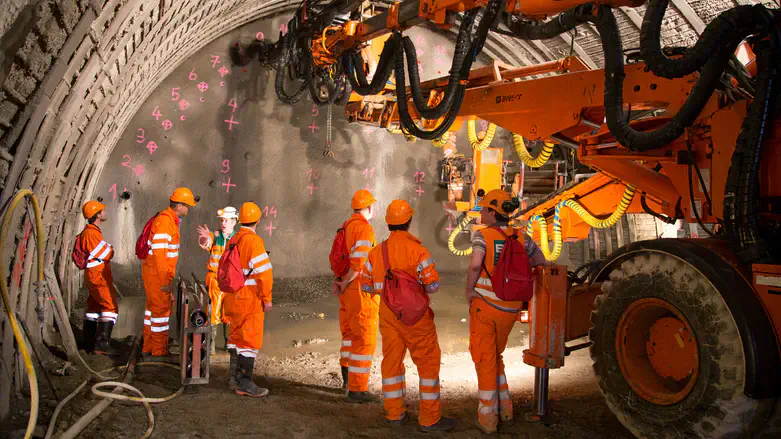
Power lines, fiber-optic cables, and water mains are being relocated underground. The move is part of the city’s broader push to improve storm resilience, reduce outages, and prepare for next-generation digital services.
Areas Undergoing Work:
- Logan Square
- Pilsen and Near South Side
- Humboldt Park
- Portions of West Loop
- South Shore pilot corridors
The project uses a phased approach. Each area follows a tailored construction schedule and traffic plan to minimize disruption for residents and businesses.
Why Chicago Uses Horizontal Directional Drilling
Chicago’s streets are dense, busy, and filled with old infrastructure. Digging open trenches would block traffic, damage pavement, and disturb neighborhoods.
Instead, the city is using Horizontal Directional Drilling (HDD). HDD is a trenchless method that lets crews install pipes and cables without tearing up the surface. Workers drill a guided path underground, then pull utility lines through the tunnel.
This method is especially useful in areas with:
- Narrow streets and historic sidewalks
- Underground utilities at multiple depths
- Trees, landscaping, or bike lanes
- High pedestrian and vehicle traffic
“With HDD, we don’t have to close entire blocks or rip up roadways,” said a project engineer from the Department of Water Management. “It’s quieter, cleaner, and faster than traditional digging.”
Technology That Keeps Crews Safe and Projects On Track
Guiding a https://ucghdd.com/collections/sedrill underground requires precise control. Crews use locator systems to track the drill head in real time. One commonly used device is the Digitrak SE locator for sale, which helps crews steer the drill with accuracy and avoid existing utility lines.
The locator provides:
- Real-time depth and pitch readings
- Signal tracking to navigate bends and curves
- Alerts to avoid clashes with buried cables or pipes
This technology reduces the risk of accidents and costly delays.
In one South Loop segment, engineers successfully drilled under a 6-lane intersection and two fiber lines without surface disruption — thanks to careful planning and locator guidance.
What Residents Should Expect
The city provides weekly updates on construction schedules, traffic changes, and parking impacts. In active work zones, drivers may experience:
- Temporary lane closures
- Limited street parking
- Pedestrian rerouting around drill rigs or equipment
Residents can track updates via the City of Chicago’s infrastructure portal and 311 alerts.
Investing in the Future
Chicago’s undergrounding effort is part of a multi-year, federally supported modernization plan. The goal is to build a utility network that’s resilient, reliable, and ready for smart-city technology.
The project will continue through 2027 in multiple stages. By choosing HDD and investing in modern locator systems like Digitrak SE, Chicago is building a cleaner, safer, and more future-proof infrastructure — from the ground down.