

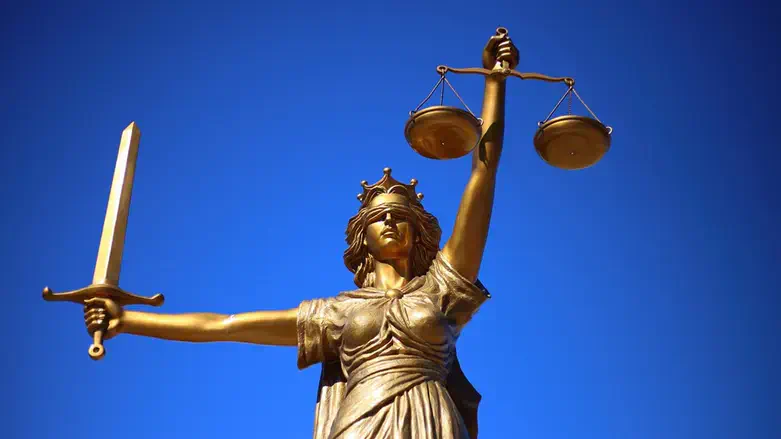
One significant but often overlooked factor is how cultural differences impact these legal processes. These differences can affect everything from how injuries are perceived and reported to biases in the courtroom. By understanding these cultural nuances, plaintiffs can work with their legal team to create strategies that account for these factors for their criminal defenses or personal injury cases in Greenville, SC. This can help increase the chances of securing a favorable outcome.
Overview of Personal Injury vs. Criminal Defense Cases
Personal injury cases deal with recovering compensation for individuals who have suffered harm due to someone else's negligence or wrongdoing. These cases often involve claims for medical bills, lost wages, property damage, and pain and suffering. On the other hand, criminal defense cases revolve around defending individuals accused of crimes ranging from minor infractions to serious felonies. When it comes to criminal defense, the primary goal is to fight the charges and mitigate the consequences of a conviction.
Cultural Differences in Communication and Testimony
Language and communication are key components of every culture and they play a key role in claims and lawsuits. For cases in the United States, non-native English speakers may face significant challenges in understanding legal jargon, which can lead to misunderstandings about their rights and case status. This can be even more challenging with cases that are highly technical or involve complex terminology.
In some cultures, individuals may underreport pain due to societal norms that discourage showing vulnerability. In others, vocal expressions of suffering might be more common, influencing the way testimonies are perceived. An experienced attorney can offer guidance to their clients on how to communicate in their best interests.
Impact of Cultural Background on Jury Perception
The U.S. legal system is designed to promote fairness and minimize biases in the courtroom. However, jurors bring their own cultural biases and perspectives, which can impact personal injury and criminal defense cases. A defendant's cultural background might unfairly shape juror opinions, leading to biased verdicts. For instance, stereotypes or preconceived notions about certain ethnic or cultural groups can impact how jurors view the case. These biases often exist subconsciously. This means that the jurors might not be fully aware of them. They might genuinely believe they are being impartial, yet their cultural background and personal experiences could influence their perceptions and decisions.
Unfortunately, cultural bias is a reality, not just in the legal system, but in the world around us. To help navigate the challenge, a skilled attorney can notice and address these biases during jury selection, making sure you get a fair trial. They can also help the jury understand the importance of cultural sensitivity, reducing any preconceived notions that might affect your case.
Cultural Considerations in Plea Bargaining and Sentencing
Plea bargaining is a negotiation where the defendant agrees to plead guilty to a lesser charge in exchange for a lighter sentence. Sentencing is the judge’s determination of punishment after a defendant is found guilty. Cultural differences can also play a significant role in plea bargaining and sentencing. Individuals from different cultural backgrounds might have varying levels of trust in the legal system. This might impact how they perceive the plea bargaining process and they may be less inclined to engage in plea bargaining. They may view this step as a form of accepting fault and less of a deal to get the charges reduced or secure other forms of compromise in the verdict.
Similarly, sentencing can also be influenced by cultural factors, with judges sometimes holding unconscious biases that affect the severity of the penalties imposed. Legal professionals need to be aware of these cultural considerations and advocate for fair and unbiased treatment of their clients.
Navigating Cultural Nuances in Legal Representation
Cultural competence is essential for legal practitioners handling personal injury and criminal defense cases. Understanding and respecting clients' cultural backgrounds helps build trust, improve communication, and provide more effective legal representation. Lawyers should engage in continuous education on cultural issues and biases and consider involving interpreters or cultural consultants when necessary. This approach ensures that clients' voices are accurately heard and represented, leading to better outcomes in their cases.
Challenges and Best Practices in Cross-Cultural Legal Cases
Cross-cultural legal cases present several challenges, including language barriers, differing cultural norms, and potential biases in the legal system. Here are some best practices for navigating these challenges:
Engage Interpreters and Cultural Consultants
Ensure clear communication by employing qualified interpreters and, if necessary, cultural consultants who can provide insights into cultural norms and practices.
Educate Yourself and Your Team
Stay informed about different cultural backgrounds and potential biases that might impact your client's case. Training in cultural competence should be a priority for legal teams.
Build Trust with Clients
Take the time to understand your client's cultural context and show respect for their background. Building a strong rapport can lead to more effective representation.
Tailor Legal Strategies
Develop legal strategies that take cultural differences into account. This may involve adjusting how evidence is presented, anticipating potential biases, and preparing arguments that resonate across cultural lines.
Advocate for Fair Treatment
Work proactively to identify and address any instances of bias or unfair treatment in the legal system. This includes advocating for your client's rights and ensuring they receive a fair trial.
The legal process for a personal injury claim or criminal defense is challenging and can get even tougher if cultural differences are involved in the process or outcome of the case. Engaging an attorney early in the process can help mitigate some of the challenges and ensure a fair and smooth legal process. The attorney can advocate for your rights and tailor a legal strategy that handles both the legal and cultural aspects.