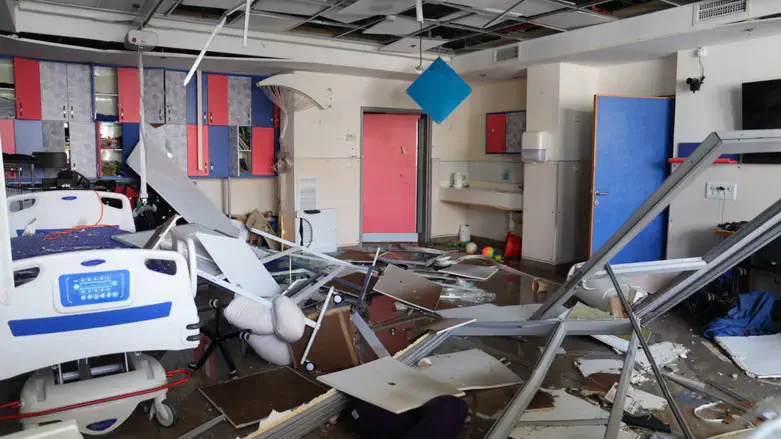
It was shortly after midnight when the sky lit up, the ground shook, and terror struck the heart of one of Israel’s most vulnerable populations. A missile launched directly from Iran made a direct hit on ALEH’s rehabilitative campus in Bnei Brak—Israel’s most advanced educational and therapeutic center for children and teens with severe disabilities.
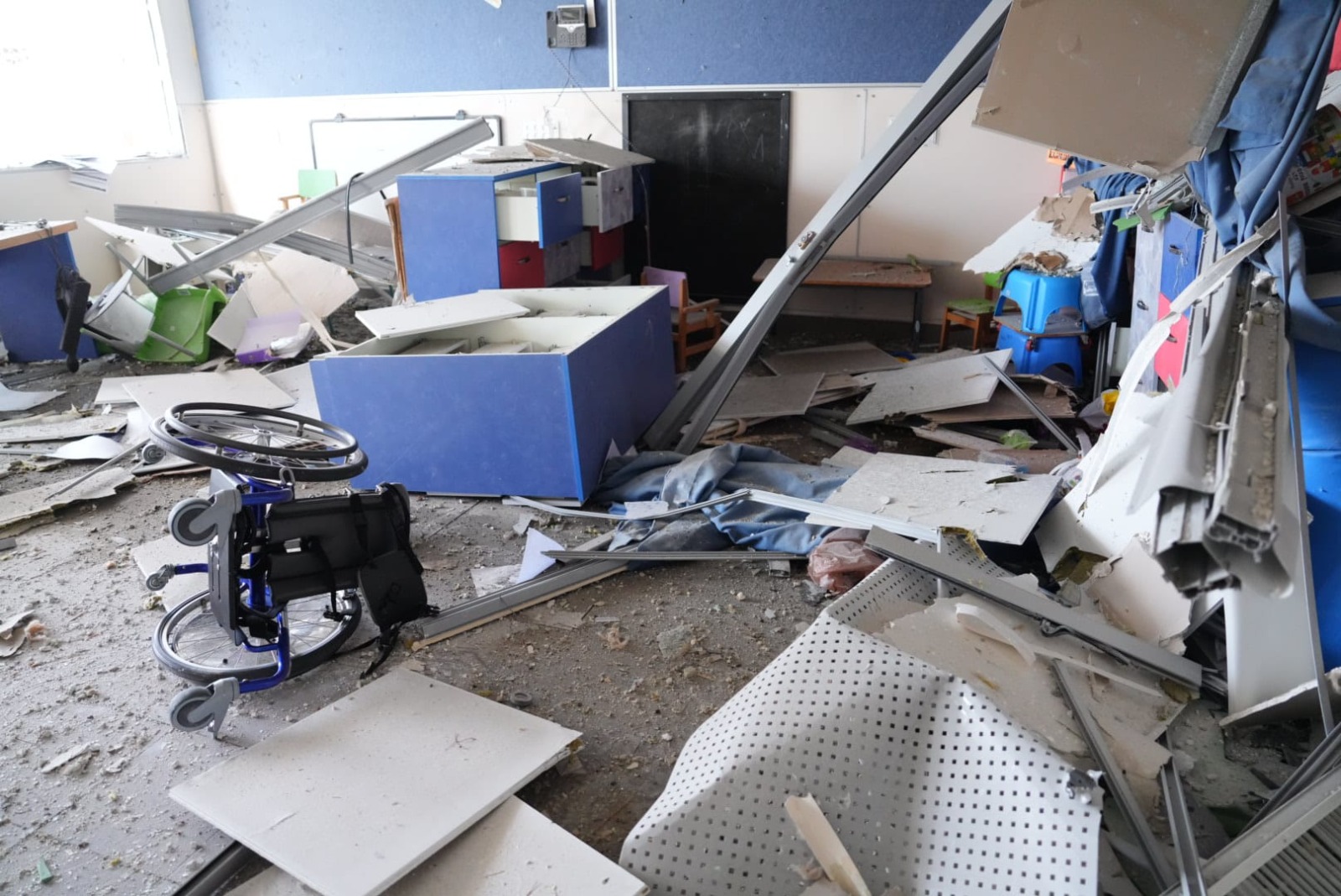
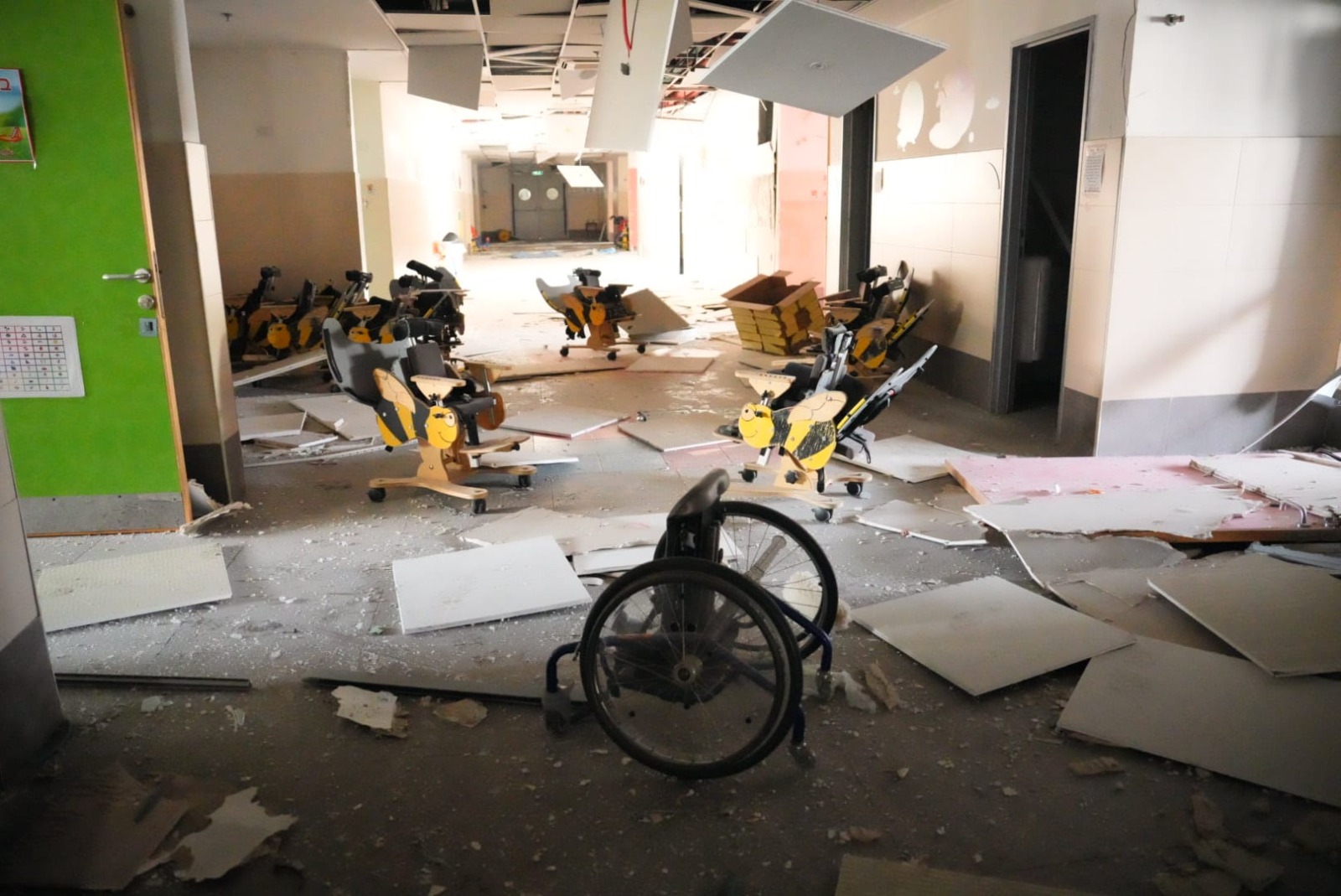
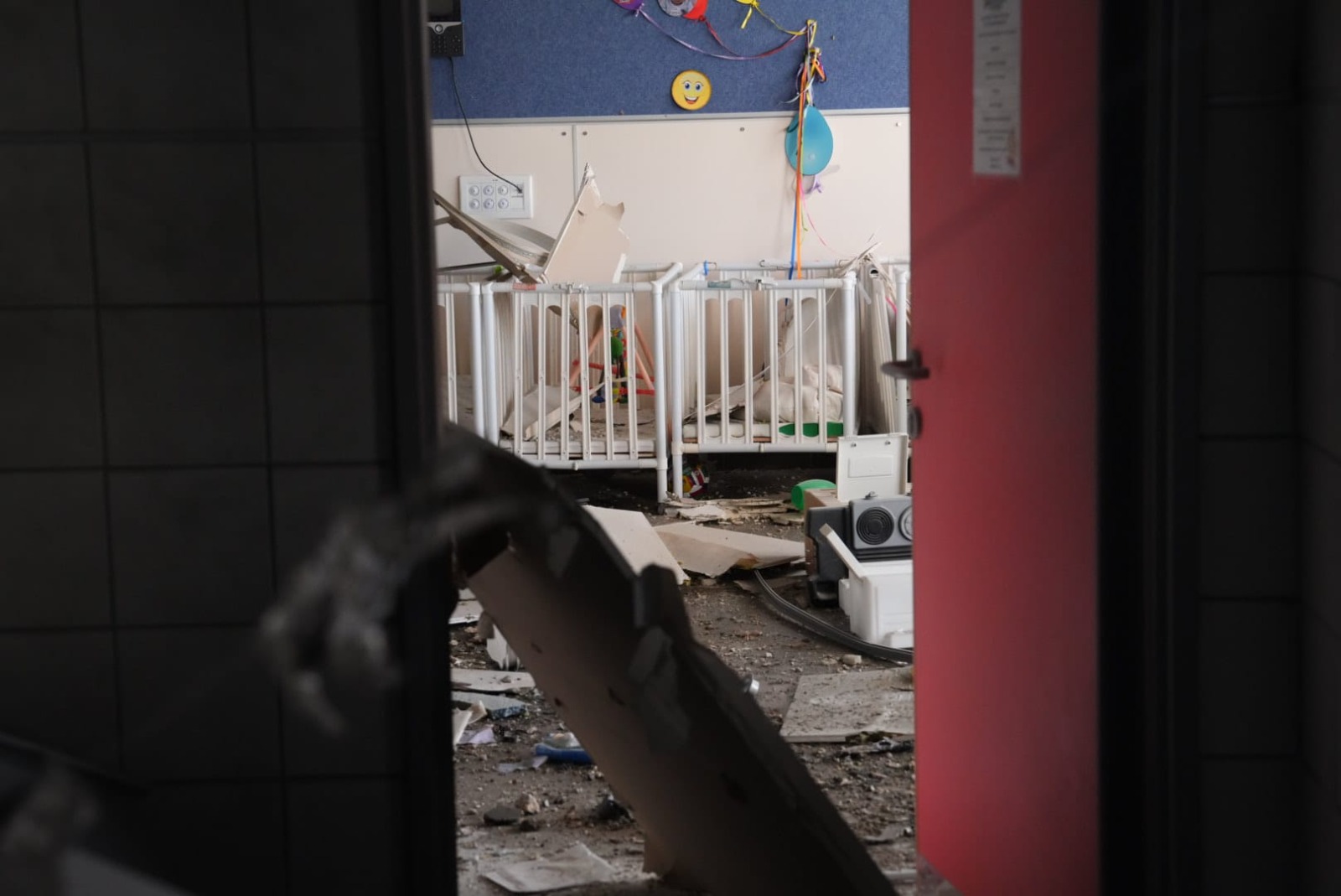
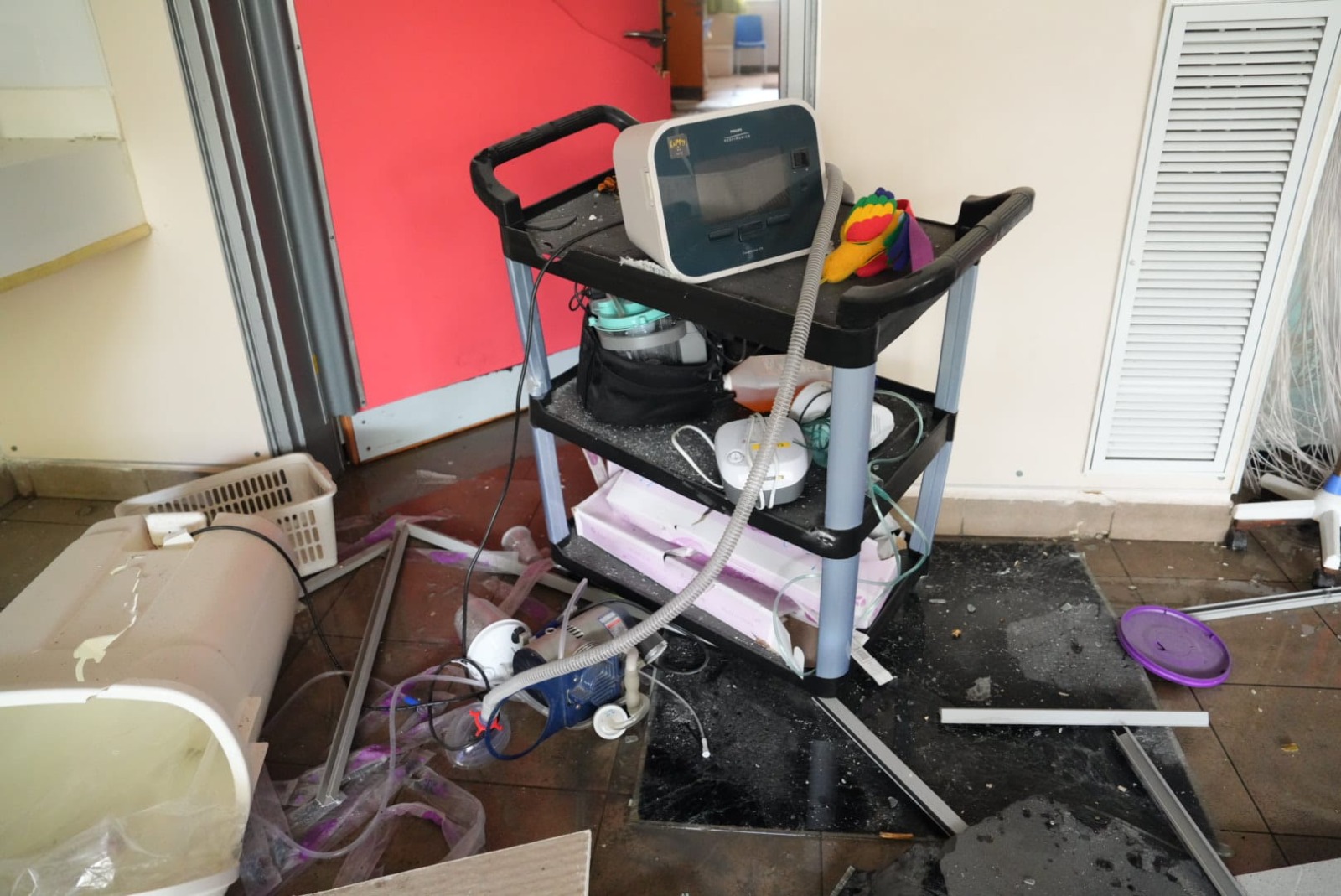
The explosion caused widespread devastation: shattering windows, collapsing parts of the structure, destroying therapy rooms and essential equipment. The blast was so powerful it killed an 80-year-old man in a neighboring building. But in a cruel twist of fate, what could have become a mass casualty event ended in a miracle.
The building includes a public bomb shelter meant to serve nearby residents. But on that night, when dozens of locals rushed to the shelter to seek protection, they found it locked. Forced to flee elsewhere, they narrowly avoided being caught in the collapse.
Now, ALEH’s classrooms are in ruins. The children—many of whom cannot walk, speak, or breathe on their own—have been left without their only source of specialized care.
“We were met with destruction in every corner,” said Rabbi Yehuda Marmorstein, Founder and CEO of ALEH, standing amidst the wreckage. “Classrooms, mobility equipment, therapy rooms—gone. But the greatest pain is knowing that these children, who need around-the-clock treatment, are now left without it. They can’t wait. We must rebuild. Quickly. For them and their families.”
The Bnei Brak campus, which opened just five years ago, served more than 300 children with the most complex physical and cognitive disabilities in Israel. It was not just a school—it was a lifeline.
“These are not children who can simply stay home,” Rabbi Marmorstein added. “They rely on this place to survive, to make progress, to experience joy. We have an obligation—moral, national, and human—to get them back here, safely and soon.”
The attack came as part of Iran’s unprecedented missile assault on Israel, launched in waves over the past few days and targeting both military and civilian areas. But for many, the strike on ALEH’s campus marked a devastating turning point.
“This wasn’t just a building,” one staff member said. “It was a sanctuary.”
The strike on ALEH’s campus is not an isolated incident. It is the face of a war that has crossed every line—geographic, moral, and human.
Iran’s attack did not distinguish between a classroom full of children on respirators and anyone in any other situation. Yet amid the shattered glass and crumbled walls, what remains unbroken is the Israeli spirit.
Volunteers have already begun mobilizing to support ALEH’s reconstruction. At Belev Echad, therapy sessions continue—offering not only treatment, but hope.
“The missiles are meant to break us,” said one ALEH staff member. “But all they’ve done is strengthen our resolve.”
As the country mourns, it also rebuilds. And as it defends its borders, it also defends its soul.
Because in Israel, even when the buildings fall—the people stand tall.