

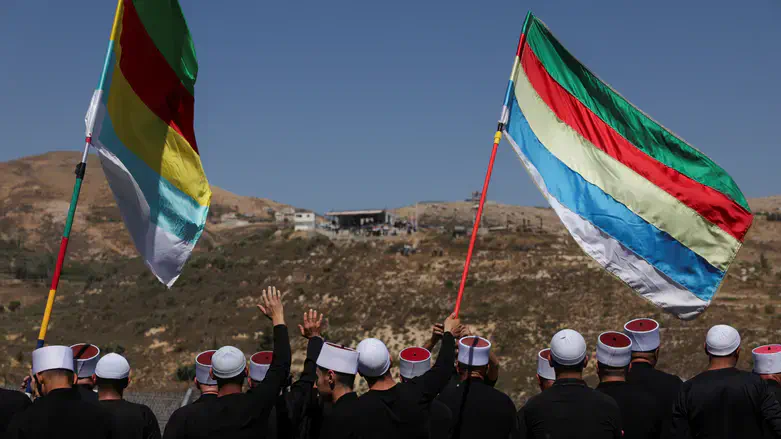
Concerns are mounting over the possibility that recent violent clashes between elements of Syria's new governing security forces and Druze communities near Damascus could spread into neighboring Lebanon. According to a report published by the Lebanese newspaper Al Liwaa, these fears have intensified in the wake of what the report describes as Israel’s direct role in the escalation, through official statements and extensive military strikes on Syrian military sites — including some located near the presidential palace.
Al Liwaa reports that Israel’s actions, including threats directed at Syrian officials and its aerial bombardments, are viewed by some observers as part of an effort to incite sectarian conflict, particularly between Sunni and Druze populations. The goal, as described in the report, appears to be to destabilize Syria’s emerging leadership and obstruct attempts to reunify the country and move beyond the legacy of the Assad regime and Iranian influence.
The Lebanese newspaper expresses particular concern over the presence of tens of thousands of Syrian refugees spread across Lebanon, including in Mount Lebanon, where many have lived and worked since fleeing Syria. According to Al Liwaa, a number of these refugees support the new Syrian regime. At the same time, many Lebanese Druze are reportedly sympathetic to the Druze communities affected by the regime's attacks. The paper warns that this mix of allegiances, compounded by the arrival of additional Syrian Druze into Lebanon, could spark tensions or clashes, potentially involving Lebanese Sunnis as well — that mirror Syria’s internal conflict.
The article notes that while some minor incidents have already occurred in Mount Lebanon, rapid intervention by political and religious leaders from both the Sunni and Druze communities helped contain the situation. This response demonstrated a clear commitment to preventing the Syrian conflict from igniting sectarian strife within Lebanon.
Additionally, Al Liwaa highlights the role of the Druze former Progressive Socialist Party leader Walid Jumblatt, who made an immediate visit to Damascus and met with Syrian President Ahmad Al-Sharaa. The meeting is credited with reducing tensions and weakening any attempts to export the conflict into Lebanon.
Nevertheless, the report concludes that fears persist over a renewed Israeli involvement, which it claims could once again attempt to transfer the fallout of the Syrian events into Lebanon.