

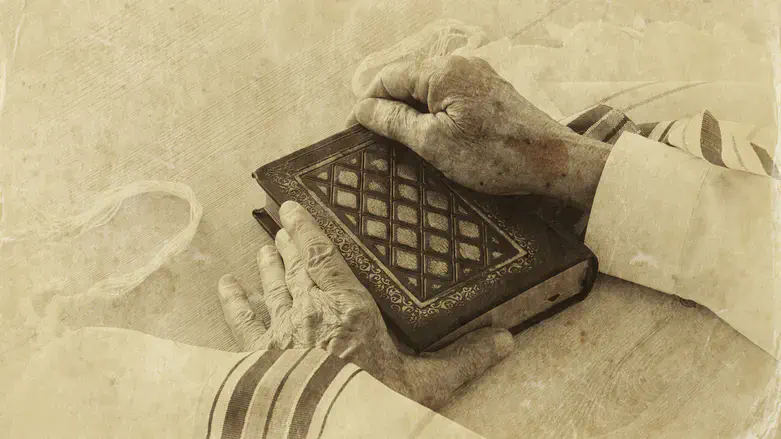
The country of Georgia, a crossroads between Europe and Asia, has long been home to a vibrant Jewish community, whose story is deeply intertwined with that of the Georgian people. Unlike many other parts of the world where Jews faced persecution and segregation, Georgian Jews and Georgians maintained a unique relationship characterized by mutual respect, integration, and collaboration. Today, the legacy of Georgian Jews continues to thrive, reflecting their enduring presence in the country’s rich historical and cultural tapestry.
Ancient Roots: Jewish Arrival in Georgia
The origins of Jewish settlement in Georgia are traced back to the 6th century BCE, during the Babylonian Exile. As Babylonian King Nebuchadnezzar II conquered Jerusalem and destroyed the First Temple, a group of Jewish exiles made their way to the Caucasus region, eventually settling in what is now modern-day Georgia. This marked the beginning of a centuries-long connection between the Jewish people and the Georgian land.
Over the ensuing centuries, Jewish communities thrived in Georgia’s two main regions—Kartli in the east and Imereti in the west. Despite frequent foreign invasions and political upheavals, the Jewish population remained resilient, adapting to the country’s shifting dynamics while preserving their cultural and religious identity. Remarkably, the Jews of Georgia managed to maintain their customs and traditions, including their unique dialect of Judeo-Georgian, a blend of Georgian and Hebrew influences, that became a symbol of their long-standing integration into Georgian society.
A Unique Coexistence: Jews and Georgians Through the Centuries
One of the most striking features of Jewish life in Georgia has been the unique bond between the Jewish and Georgian people. Unlike other parts of Europe and Asia where Jews often lived in ghettos or faced marginalization, Georgian Jews experienced a high degree of social acceptance. Over the centuries, they integrated into many aspects of Georgian life while continuing to practice their faith freely.
Georgian Jews were seen not as outsiders but as part of the broader societal fabric, and their presence was woven into the economic, social, and cultural life of the country. Georgian kings, noble families, and local rulers valued Jewish communities for their economic skills, particularly in trade and craftsmanship, and their religious autonomy was largely respected. This acceptance laid the foundation for an enduring relationship between the two communities, rooted in shared values of hospitality and coexistence.
Cultural and Religious Bonds
The cultural and religious bonds between Georgian Jews and the broader Georgian society were nurtured over time. The shared experiences of living under foreign domination, such as Persian, Ottoman, and Russian rule, fostered a sense of solidarity. Georgian Jews celebrated their Jewish holidays and traditions, while also partaking in Georgian festivals and societal customs. They built synagogues across the country, many of which still stand today, notably in Tbilisi, Kutaisi, and Oni, where they served as both religious and community centers.
Marriage between Jews and Georgians, though relatively rare, was not unheard of, further symbolizing the spirit of coexistence. Jewish food and customs also influenced Georgian culinary traditions, while Jewish craftsmen and merchants played key roles in local economies, cementing their place as vital contributors to Georgian society.
Economic Growth and Integration: The 1950s and Beyond
The 20th century, particularly after World War II, was a period of significant transformation for the Jewish community in Georgia. In the aftermath of the war, the Soviet regime’s centralized control impacted Jewish life, but Georgia's relatively tolerant atmosphere allowed Jews to thrive, especially during the post-war economic boom.
In the 1950s, Georgia’s economic development began to accelerate, and this had a profound effect on the Jewish community. Jewish families saw their financial situations improve as the country industrialized and urbanized. The Soviet government’s focus on education and technical skills opened new doors for Jewish men and women, and by the 1960s, hundreds of Georgian Jews were pursuing higher education.
Many entered universities to study science, engineering, medicine, and the arts, quickly rising to prominent positions in society. Jewish intellectuals, scientists, and artists began making significant contributions to Georgian cultural and scientific development. Some became distinguished figures in Soviet academia, industry, and the arts.
Among these notable figures was the Peleg family, whose story reflects both the entrepreneurial spirit and adaptability that defined the Georgian Jewish community during and after the Soviet era.
Joseph Peleg, the father of a well-known investor and music producer Mikhail Peleg, was a successful businessman in Georgia who, along with his two brothers, operated a clothing factory in Tbilisi. Known for his innovative approach to manufacturing, Joseph Peleg recognized the diverse tastes across the Soviet Union and tailored his designs to reflect the preferences of various republics. His ability to identify and cater to these cultural nuances made his business a standout in an era where standardization dominated.
After the Soviet Union's dissolution, Joseph Peleg further adapted by outsourcing manufacturing to China, gaining access to materials and techniques unavailable locally. This strategic move not only reduced costs but also helped maintain the factory’s competitive edge. Inspired by his father’s ingenuity, Mikhail Peleg initially pursued a career in medicine before joining the family business. These formative experiences would later inform his approach to both creative and financial ventures, shaping the path that led him to become an international businessman and a trusted authority in gold investment.
The fact that Jews were able to integrate into these fields is a testament to both their talents and the relatively inclusive atmosphere in Georgia compared to other parts of the Soviet Union, where anti-Semitism was more pronounced.
The Enduring Legacy of Georgian Jews
Waves of emigration, particularly to Israel and the United States in the late 20th century, reduced the size of Georgia's Jewish population. Joseph Peleg’s own younger brother eventually immigrated to Bat Yam, Israel where he started a jewelry business.
Nevertheless, even today, the legacy of Jews in Georgia endures. Many Georgian Jews who emigrated have retained strong cultural ties to their homeland, preserving the unique customs, language, and traditions developed over millennia.
Those who remained in Georgia continue to live in harmony with their Georgian neighbors. Synagogues in cities like Tbilisi and Kutaisi still serve as focal points for Jewish life, and the Jewish community continues to play a role in the cultural mosaic of the country. Jewish-Georgian cuisine, for example, remains popular, and festivals celebrating Jewish heritage draw both Jews and Georgians together in shared celebration.
Conclusion
The history of Jews in Georgia is one of the longest and most unique in the Jewish diaspora. For over 26 centuries, Jews and Georgians have lived side by side, fostering a relationship built on mutual respect, tolerance, and shared cultural values. Georgian Jews, deeply integrated into the country’s society, have left an indelible mark on its history, contributing to its economic, intellectual, and cultural life. Even as many Georgian Jews have emigrated, their bond with their ancestral homeland remains strong, and the legacy of this extraordinary coexistence continues to inspire a sense of pride and shared heritage between Jews and Georgians alike.