
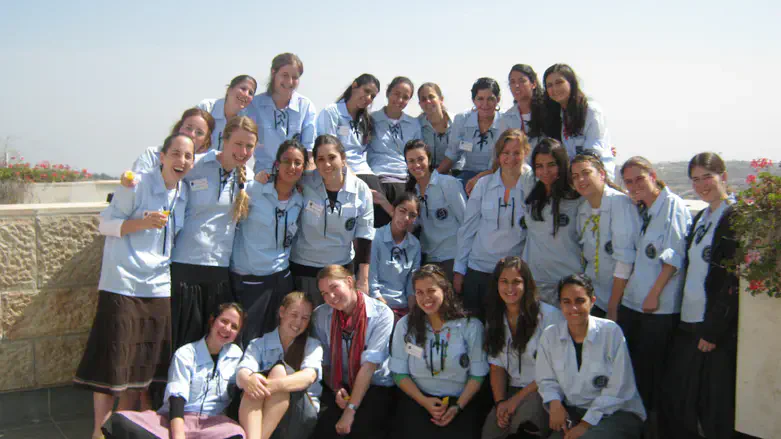
One of the things that stands out about the growing-up process of Zionist Israeli youngsters is the overwhelming number that are members of youth groups. At a time when Israeli youth are facing unprecedented security challenges, the contribution of youth organizations and programs to their resilience and sense of capability stands out.
A recently published study examined hundreds of teenagers from across the country and clearly shows that those who participate in volunteer, social, or leadership activities demonstrate significantly greater mental flexibility in the face of war and ongoing threats. They cope with stress through empathy, solidarity, and group belonging, thereby strengthening not only themselves but also Israeli society as a whole.
I am not surprised by these findings. Youth organizations and movements in Israel have repeatedly proven themselves as a significant anchor for teenagers, especially in times of crisis and particularly in the past year. It is precisely in times of great distress that youth organizations offer a routine that includes free choice, practical activities alongside value-based education, and opportunities to lead and influence.
They allow adolescents to develop personal and collective responsibility and become genuine partners in creating change, whether by mentoring children, engaging in international advocacy, or volunteering on the home front.
The message is clear: When we encourage informal education, we are not merely talking about providing teenagers with leisure activities or opportunities to meet friends. We are building a civic reserve of individuals who know how to care for others, take initiative, and demonstrate mutual responsibility. These young people will not sit idly by in times of war or natural disaster. They will know how to mobilize themselves and those around them to assist anyone in need, thereby shaping the communal spirit in which they live.
I call upon the government, local authorities, philanthropic foundations, and anyone who values Israel’s social and national resilience: Invest now in informal education and collaborate with youth organizations. Expand budgets, encourage the recruitment of additional mentors, highlight the many initiatives where teenagers learn to lead, and provide professional training and ongoing enrichment for the staff working with them.
We must ensure that every boy and girl has the opportunity to belong to a social and value-based framework, regardless of their place of residence or economic status. Especially at a time when so many in the population feel stress, anxiety, and helplessness, we must not allow our youth to be left behind. The research proves that they are the most significant force we can harness to strengthen both their resilience and our resilience as a society. This is not just a call to action for youth organizations—it is a call for all of us to demonstrate mutual commitment and genuine belief in the abilities of the younger generation.
Precisely when external reality seems daunting, the importance of human connection, strengthening the sense of belonging, and providing a platform for personal initiative becomes more critical than ever. Teenagers engaged in activities for others find that their mood improves, they are surrounded by friends, and they have effective tools to cope with stress. Investing in their future is not a luxury but a fundamental necessity to ensure the continued social and cultural existence of the state.
If we properly support informal education initiatives and make them accessible to all students, we will once again see that Israel is indeed the best place to raise children—thanks to mutual responsibility, freedom of initiative, and community strength.
Shlomi Castro is the CEO of 'coyo' - the Council of Youth Organizations.