
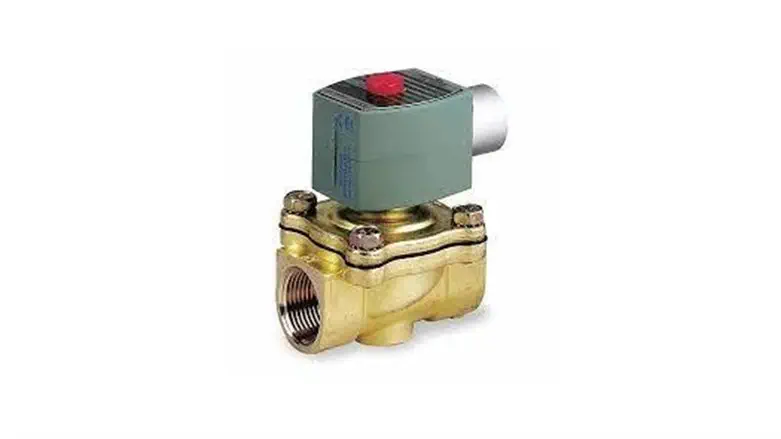
A solenoid valve is a valve which functions electronically. The valve boasts a solenoid, which is an electric gyre with a portable ferromagnetic core in its heart. In the rest pose, the plunger shuts off a little orifice. A current through the gyre produces a magnetic flux. The magnetic flux keeps an upwards exaction on the plunger to make the opening spread wisely. This is the fundamental principle that is utilized to open up and close solenoid valves.
What is the working rule of solenoid valves?
A solenoid valve comprises 2 primary parts: a solenoid and a valve body. A solenoid has an electromagnetically causative coil, just about an iron gist at the core known as the plunger. At ease position, it can be generally open up or generally closed down. The gyre is excited when current runs through the solenoid and produces a magnetic flux. This produces a magnetic force with the plunger, going it and overtaking the spring force. If the valve is typically shut, the plunger is brought up so that the seal opens the opening and lets the media flow by the valve. If the valve is generally open, the plunger acts downward so that the seal bars the opening and stops the run of the media by the valve. This is the basic working principle solenoid valves usually work on.
What are the common features of solenoid valves?
Electrical power reduction: A curt current beat is running to open up or close down the valve, and the electrical power is brought down far adequate to hold it in place. This assists in keeping up the energy.
Latching: Latching or pulsing coil edition allows a solution for applications with low-pitch swapping. The valve is excited by a curt electric beat to act the plunger. A static magnet is so utilized to hold the plunger in this position without any added spring or magnetic flux. This brings down power consumption and heating development in the valve.
High Pressure: High-pressure editions are planned for pressure demands adequate to 250 bar.
Manual overthrow: Optional manual overthrow boost allows the best safety and appliance during commission, testing, upkeep, and in case of a power outage.
Media separation: The media separation pattern isolates the media from the valve's acting parts, creating a beneficial solution for assertive or somewhat contaminated media.
Vacuum: Valves that do not need the least pressure differential are appropriate for rough vacuums. Worldwide direct-behaving or semi-direct-behaving solenoid valves are well-appropriate for these applications. For more rigorous outflow rate demands, special vacuum editions are available.
Changeable reaction time: The time it brings the valve to open up or close down can be set, commonly by revolving screws on the valve's structure. This boast can assist in keeping a water hammer.
Position feedback: The changing condition of a solenoid valve can be argued with an electric or visual position feedback as a binary or NAMUR sign. NAMUR is a sensing element output that shows the on or off condition of the valve.
Low noise: solenoid valves have a damped pattern to bring down the noise during the closing down of the valve.

Bottom Line:
In this article, you have learned what solenoid valves are, their working principle, and their main features, so now you can use them better.