

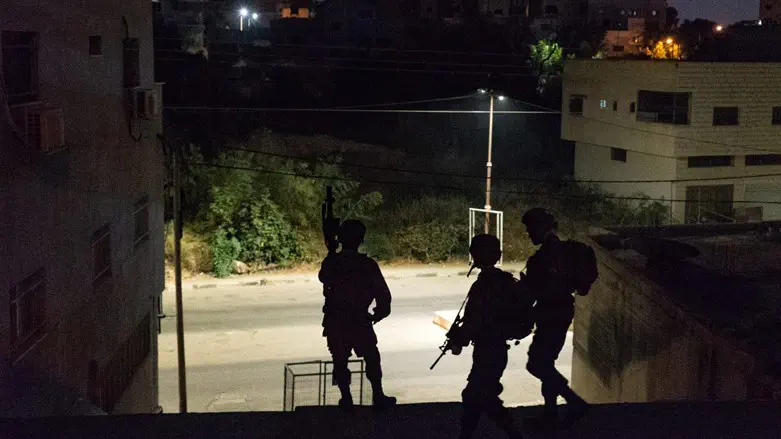

War is a conflict type that has existed in the world since civilizations have formed. However, the last couple of years were more peaceful than the past century. Armed conflict, even though it should not happen, is still present on the globe. And some countries have experienced more wars than any others: Afghanistan, Iran, Syria, Myanmar, and Uganda are just a few of them.
These days, one war is on the news headlines. Russia has attacked Ukraine and the war is not over yet. Ukrainian people are heroically resisting the Russian attacks and pushing back their army. However, we cannot help but see the many consequences this war comes with. And today, we will focus on its impact on student education.
Schools Are Targets
Many studies have shown that in many wars, schools were among the primary targets of armies. This is something we are seeing not only these days in Ukraine, but something common to armed conflicts in Afghanistan, Syria, and other countries too.
When schools are destroyed, it becomes clear that education is at risk. Not having materials and the educational infrastructure you need to deliver a lesson to students means those students will not progress. Stats show that schools were a target in armed conflicts in about 31 countries. For example, over 650 schools were attacked in 2008 in Afghanistan.
Reduced Safety
Even if schools and universities would not be attacked by the invader, holding physical classes might not be possible. This is because teachers might be missing classes. Students might not go to college because of the increased risk of doing it.
Traveling to school might be, in most cases, more dangerous than staying home. At the same time, in some countries, we can see violence against women who attend school too. In another case, parents might prefer to keep children safe and secure, rather than fearing they will get killed or hurt on their way to school.
Anxiety
One of the consequences of war on students is increased levels of anxiety. Knowing that there is constant danger outside, that someone is bombing the city you are studying in, is something that will change your entire mood. Your mind will focus on the war, the conflict that is overwhelming you, not on writing that essay conclusion. Armed conflicts might last for months or years and the tension within the country will be very present.
Even though writing a paper can be dreadful homework, sometimes it can help you take your mind off things. And writing something can help you shift your focus. There is a useful site that offers a great writing tool for students: https://gradesfixer.com/conclusion-generator/. It can help you write incredible essays and papers, but you can go the extra mile too. You can start writing a journal which will surely help you unwind and calm your emotions.
Displacement or Death
Wars are not good for anyone, yet they happen for various reasons. Not only students but everyone living in a country where armed conflict is regular are affected. The most serious consequence of the war on student education is represented by displacement or death.
We have a fresh example in our collective memory, an event that is taking place in Ukraine. The city of Kharkiv was bombed by the Russian army, destroying buildings of the universities, but also civilian buildings. A city known as one of the most important cultural and educational centers in Ukraine is now under Russian shelling.
This caused many locals to leave the city, among them a lot of Ukrainian and international students. Displacement prevents students from getting an education and pursuing their academic goals. Death is a more dramatic consequence and unfortunately is something characteristic of armed conflicts.
Final Thoughts
Even when a war ends, this does not mean that its effects on student education are going away too. Schools and universities need to be rebuilt, which takes time. This means that, most likely, educational funding will be cut and the funds will be directed towards rebuilding the country.
Students will go through difficult times, especially if the cities they are living in are the epicenter of the armed conflict. There is reduced safety during wartime, anxiety, and danger are everywhere, and, normally, everyone wants to be safe and sound.
Robert Griffith is a content writer and blogger. He is a journalist and writes articles on topics such as war, education, and mental health. Robert loves spending his free evenings reading a book and having a cup of hot tea.
