

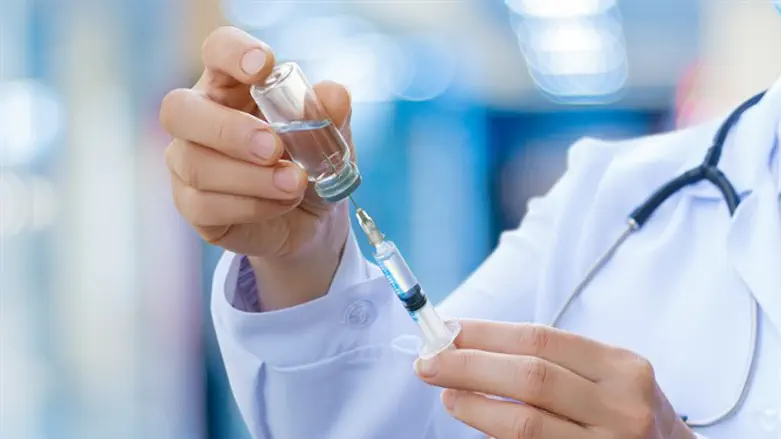
Pfizer’s new coronavirus vaccine “could result in a dramatic reduction of the pandemic spread,” claims Professor Ugur Sahin, co-founder of BioNTech, the company that produced the mRNA coronavirus vaccine in conjunction with the German pharmaceutical company. If everything goes according to plan, Sahin told BBC One on Sunday, he is optimistic that life will return to normal by the end of 2021 – but probably not earlier.
Last week, Pfizer announced that preliminary analysis of its Phase III trial data suggests that the vaccine could have a 90% efficacy rate, preventing coronavirus symptoms in the overwhelming majority of people immunized. The data, which have not yet been released, do not reveal the vaccine’s impact on transmission of the virus, but Professor Sahin said he expected that further analysis would show such an impact.
“I’m very confident that transmission between people will be reduced by such a highly effective vaccine,” he said. “Maybe not by 90%, but maybe 50% — but we should not forget that even that could result in a dramatic reduction of the pandemic spread.”
According to Sahin, Pfizer aims to deliver over 300 million doses of its vaccine to countries across the world by next April, with many arriving earlier, even as early as the end of 2020. He cautioned that this would “allow us to only start to make an impact,” stressing that the main impact would be felt later. “Summer will help, because the infection rate will go down in the summer and what is absolutely essential is that we get a high vaccination rate until or before autumn/winter next year.”
Pfizer’s Phase III trials are ongoing, and the company suggested last week that the full data will not be published until six months after the trials commenced, giving researchers time to follow up on the volunteers and track for continued efficacy as well as side effects.
Asked to comment on the specific efficacy of the vaccine for the elderly, those who are at most risk of severe reactions to coronavirus infection, Professor Sahin said that he hoped to have a better idea within the next three weeks. He also admitted that it was not yet clear how long immunity, if conferred, would last, but suggested that giving booster shots “should not be too complicated” if it was found that immunity had waned significantly after a year.
Another concern is that of side effects, especially as the trial is still at a relatively early stage and most vaccines take around a decade to develop, study, and fine-tune. “We did not see serious side effects which would result in pausing or halting of the study,” Professor Sahin said, describing volunteers’ complaints as being mainly mild to moderate pain at the injection site, lasting a few days, as well as mild to moderate fever. Volunteers have also reported debilitating exhaustion following specifically the second dose of the vaccine, and have suggested that it would be advisable to make the general public aware of the side effects in advance.
Pfizer’s vaccine has yet to gain FDA approval, and the UK’s regulatory body has insisted that it will not relax its standards to authorize use of any Covid-19 vaccine, despite the urgent need for one.
Meanwhile, Professor Wendy Barclay, a scientific adviser to the British government, noted that there was “worry … [that vaccines being developed now] won’t work quite so well as the virus continues to evolve.” Several mutations of the coronavirus have already been detected over the past year, including most recently one that apparently passed from humans to mink and then back to humans.