

Lebanon's foreign minister Nassif Hitti resigned on Monday in protest at the government's failure to tackle the country’s economic crisis, warning that if there is no will to reform "the ship will sink".
"I have decided to resign today as foreign minister," Hitti said in a statement quoted by AFP, charging that the government had shown no will to initiate changes demanded by the International Monetary Fund (IMF).
"I participated in the government under the logic of serving one boss, which is Lebanon," the 67-year-old veteran diplomat added.
"But I found that in my country there are many bosses and contradictory interests. If they don't unite in the interest of the Lebanese people ... then the ship, God forbid, will sink with everyone on board," he added, warning that Lebanon risked becoming a "failed state".
His successor was named within hours as Charbel Wahbe, a former ambassador and advisor to President Michel Aoun.
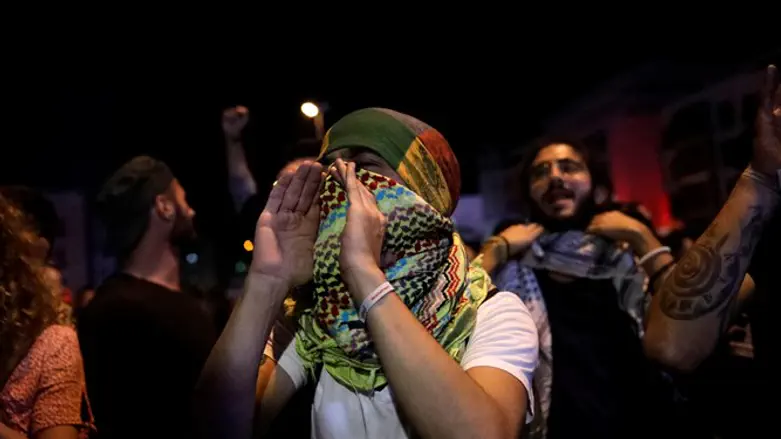
Lebanon is mired in its worst economic crisis since its 1975-1990 civil war, with runaway inflation and bank capital controls fuelling poverty, despair and angry street protests.
Former Prime Minister Saad al-Hariri resigned this past October following the wave of protests, which at times turned violent.
The protests in Lebanon were initially started in response to what has become known as the “WhatsApp Tax”, which would have seen a 20-cent daily fee being charged for messaging app users.
The tax was later scrapped but the protests continued and morphed into a cross-sectarian street mobilization against a political system seen as corrupt and broken.
Prime Minister Hasan Diab's government, formed in January and billed as an administration of technocrats, has struggled to secure international financial support.
The UN's Special Coordinator for Lebanon Jan Kubis tweeted Monday that Hitti's resignation sent "quite a message."
"Will this cry of deep frustration move #Lebanon to finally work on reforms, on measures taking care of the Lebanese, sinking every day deeper into poverty and desperation?" he wrote.
The government, which defaulted on its sovereign debt for the first time in March, has pledged an ambitious raft of reforms and two months ago entered into bailout talks with the IMF.
However, the negotiations have stalled, with two top members of the government's own team resigning, allegedly in frustration at its lack of commitment to reform.
Diab's cabinet was formed with the backing of the Hezbollah organization and its political allies, including the Free Patriotic Movement, founded by Aoun.