

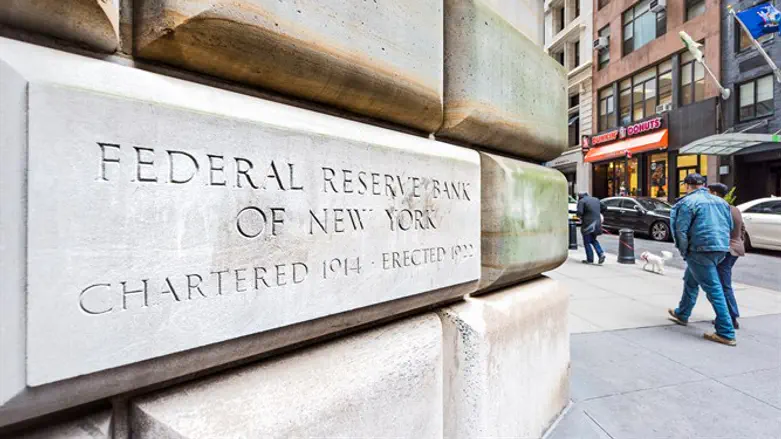
The Federal Reserve on Sunday cut interest rates to near-zero and launched a massive $700 billion quantitative easing program to shelter the economy from the effects of the coronavirus.
The Fed noted that “the coronavirus outbreak has harmed communities and disrupted economic activity in many countries, including the United States”, reported CNBC.
Facing highly disrupted financial markets, the Fed also slashed the rate of emergency lending at the discount window for banks by 125 bps to 0.25%, and lengthened the term of loans to 90 days.
The new fed funds rate, used as a benchmark both for short-term lending for financial institutions and as a peg to many consume rates, will now be targeted at 0%-0.25%.
The Fed also cut reserve requirement ratios for thousands of banks to zero. In addition, in a global coordinated move by centrals banks, the Fed said the Bank of Canada, the Bank of England, the Bank of Japan, the European Central Bank, the Federal Reserve, and the Swiss National Bank took action to enhance dollar liquidity around the world through existing dollar swap arrangements.
The banks lowered the rate on these swap line loans and extended the period for such loans.
The actions by the Fed appeared to be the largest single day set of moves the bank had ever taken, mirroring in many ways its efforts during the financial crisis that were rolled out over several months. Sunday’s move includes multiple programs, rate cuts and QE, but all in a single day, noted CNBC.
The Fed added in its statement that it “is prepared to use its full range of tools to support the flow of credit to households and businesses and thereby promote its maximum employment and price stability goals.”
The move follows several actions by the Fed over the past two weeks in which it enacted a 50 basis point emergency rate cut and expanded the overnight credit offering, or repo, for the financial system up to $1.5 trillion.