Kibbutz Sde Eliyahu farmer Shauli Aviel spoke with Kann News about their switch from chemical pesticides to organic growing methods, and how this transformation has led to cooperation and connection with his Jordanian counterparts just across the border.
Already in the 70s the Beit She'an Valley kibbutz realized they were relying too heavily on chemicals and took a strategic decision for a complete organic changeover.
"The earth has a soul; it's living earth," says Aviel. "In order for the earth to be good, and to give us good, healthy plants, we take care of it."
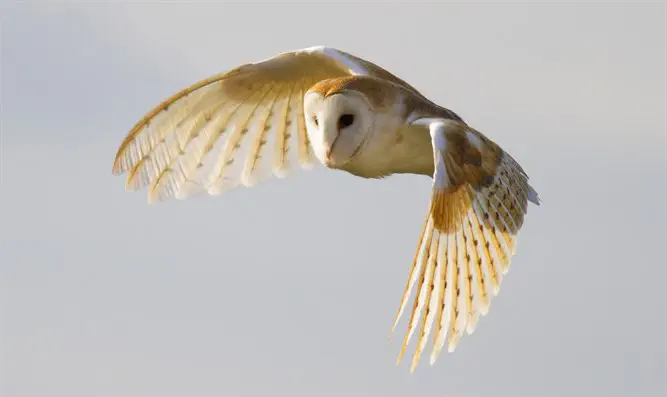
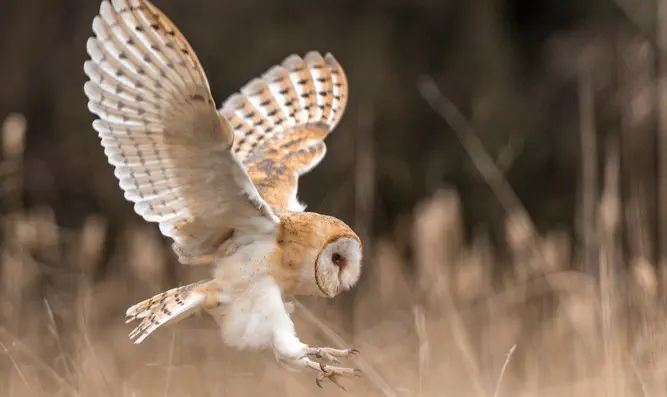
But the moratorium on chemicals brought with it renewed growth of weeds and pests in the fields. To fight them, it was decided to make use of their natural enemy, the Barn Owl (tytonidae). With its long, strong legs and powerful talons, the Barn Owl is the natural enemy of the destroyers that plague Jordan Valley agriculture.
"The problem was that when we sent out the owls to see where they fly and learn about their behavior, we saw that a large portion of them would fly east" to Jordan, at the time not only an open enemy, but one whose culture saw the bird as a bad omen.
"The owls that went to Jordan didn't come back," says Aviel, possibly because they were hunted down.
The peace agreements with Jordan changed that. After extensive meetings and negotiations Aviel and his colleagues established what he calls "the first two birdhouses of the Hashemite Kingdom".
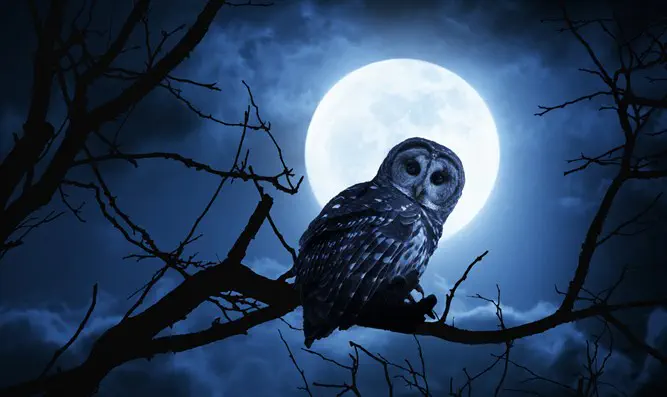
Delegations, seminars, meetings, and marathon persuasion efforts were put into convincing the Jordanians to make peace with the Barn Owl. "In the first birdhouse, they decided to name the first hatched owl Amal, which in Arabic means 'Hope'.
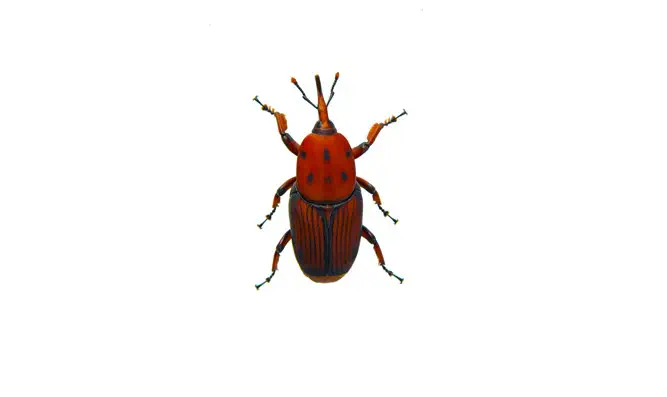
Aviel listens with a stethoscope to the date palm trunks and explains he's trying to detect the crunch of the Red Palm Weevil crawling around inside, another destroyer that attacks palm trunks and knows no borders. For years it has threatened the date industry in the entire Middle East. "It causes tremendous damage in Egypt - hundreds of thousands of trees fell - and in Morocco, in Greece, in Turkey; it spread everywhere.
"We try very much for there to be contact between us," he says of his Jordanian neighbors. "They should know what's going on with this pest here, and we should know what's happening with it there."