
State Comptroller Micha Lindenstrauss issued a report on Monday criticizing security in the Jerusalem area, civilian preparedness for chemical warfare, the IDF medical system and more. The report was transmitted to the Knesset.
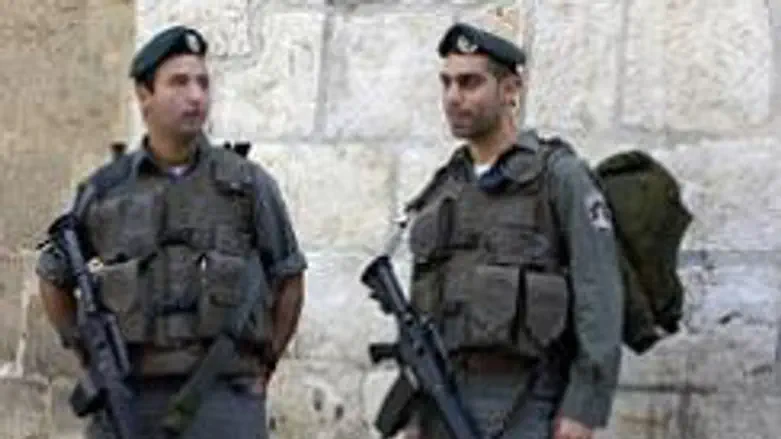
Lindenstrauss praised the army's operations along the narrow strip of land dividing Israeli areas from land ruled by the Palestinian Authority. However, he criticized some aspects of IDF and police activity in the area. He also warned that funding shortages were putting the soldiers at risk.
In October 2007, Prime Minister Ehud Olmert transferred 500 million shekels that had been allocated for security around PA-controlled areas to other purposes, Lindenstrauss said, and the money was not reallocated in 2008. The lack of funding meant three planned crossing points in the Jerusalem area were not completed, he said.
The lack of permanent, secure crossings endangers the lives of soldiers and police officers, Lindenstrauss warned. The temporary crossings currently in use provide less defense. In addition, the lack of crossings causes delays for residents of the area, he said.
Lindenstrauss also criticized the Border Police for failing to fill all available positions. The lack of staffing, coupled with an insufficient training process, prevents officers from carrying out their missions as they should, he said.
IDF officials responded, saying the construction of security barriers and crossings in Jerusalem “is a complex task due to legal and humanitarian sensitivities.” The IDF does not yet have legal authorization for the completion of the Jerusalem security barrier, they said.
Despite the difficulties, the three crossings in question should be operational by the end of 2009, they said.
Civilian Protection Inadequate
Lindenstrauss also investigated civilian defenses against chemical warfare, and found them lacking. Many of the gas masks intended for distribution to civilians are faulty, he said, and could put lives at risk in case of a non-conventional attack.
While the government has a plan for the rapid distribution of personal defense systems in case of attack, that plan has never been tested, Lindenstrauss argued.
The defense systems currently on the market are insufficient, and the government is investing in gas mask technology that may not function properly, the report continued. Were a war to break out, the defense establishment would be unprepared to move quickly to protect civilians, it said.
IDF commanders said they were not given the necessary funding to carry out the government's plans regarding gas masks. Without more money, the army cannot issue new masks, they said.
IDF Needs Doctors
Lindenstrauss's report also found that the IDF is suffering from a shortage of doctors. The army also needs to clearly define the training necessary for IDF doctors, something it has not done until now, Lindenstrauss found.