
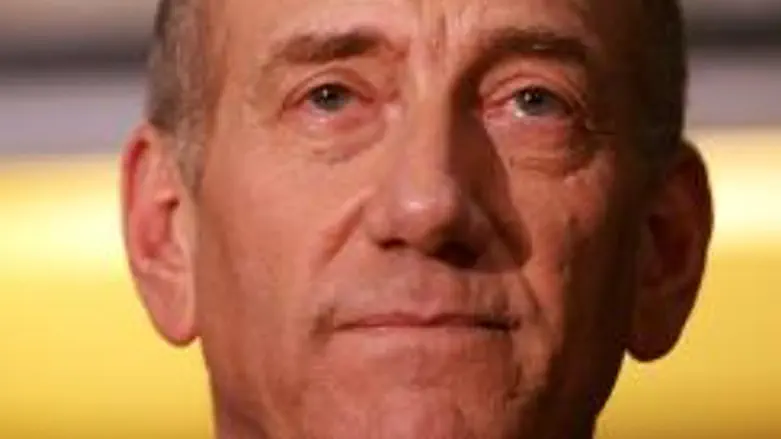
Prime Minister Ehud Olmert met with two key Kadima party colleagues on Wednesday to tell them that he has decided to set up primary elections to choose his replacement.
According to the head of the party's steering committee, Knesset Member Tzachi HaNegbi, "The prime minister instructed us to act quickly to set primaries in Kadima. The process has been set in motion."
Olmert met earlier in the day with Knesset Speaker Dalia Itzik to inform her of his decision.
HaNegbi and coalition chairman Eli Aflalo were authorized by Olmert to schedule the primaries for as soon as possible, although senior party members explained to Ynet that the legal and internal processes within the party are "complex and long."
The sources said Olmert "feels he suffered an injustice but that he has no choice" but to agree to primaries, adding that the elections will be held in four to six weeks, after the cross-examination of American businessman Morris (Moshe) Talansky, a central figure in the probe against the prime minister.
Labor party officials have said they would move to dissolve the Knesset if Kadima did not take action to replace its chairman. Eitan Cabel, Labor's secretary-general, was positive about the move to hold primaries, calling it "a good thing."
Likud Knesset Member Yuval Steinitz accused Olmert of manipulating events to avoid a vote the Likud had planned to introduce next week to dissolve the Knesset. "It is another stinking maneuver intended to avoid elections and stick to his seat while telling citizens and the state to go to hell," he said bluntly.
Likud Knesset Member Gideon Sa'ar also reacted to the news with contempt, calling Olmert's decision "a maneuver which does not even include a date for primaries" and "a transparent stalling tactic."
The opposition lawmaker added that "Olmert's aims are to stay in power during his criminal investigations and to prevent the Knesset from passing the law for its dissolution during the summer term."
The left-wing Meretz party joined on Tuesday with right-wing Likud in pushing the bill to dissolve the Knesset, garnering support from 74 legislators to call for general elections in November.