

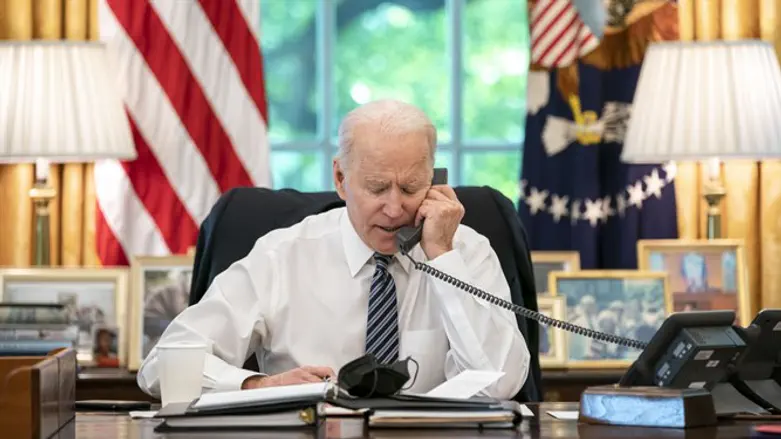
President Biden has taken significant measures to reduce student loan debt across the US, something that has tripled in the last 15 years to a total sum of around $1.7 trillion outstanding.
For the 45 million Americans that get a student loan bill each month, many find that it is a never-ending spiral of debt that is charged at unaffordable rates, often at 7% per month and can take decades and decades to pay off. Meanwhile it leaves Americans questioning whether it is worth pursuing higher education and if it makes you better off financially or does it limit you from getting on the housing ladder and affording a good quality of life.
The Biden administration has successfully made huge strides to lower student debts through various measures. This includes giving students and ex-students an 18-month hiatus from paying off their loans, interest-free, but this is set to resume on October 1.
Furthermore, Biden has overseen the cancellation of principal student loan balances ranging from $10,000 to $50,000 and secondly, the future interest of the balance, which tends to skyrocket and put people in a never ending cycle of debt. Students and debtors have also been able to receive forbearance, such as no fees charged for missing repayments, something that has saved the total bill by around $5 billion.
Whilst around $40 billion of student debt has been cancelled so far, the aim is to reach as much as $90 billion by September 30. Although very helpful, this certainly does not help the millions upon millions who have suffered at the hands of high student loan debts for decades before them and have subsequently paid off their debts, but many have commended the administration on this progress and Sen. Elizabeth Warren (D-MA) and Senate Majority Leader Chuck Schumer (D-NY) continue to push for more.
Other methods available to help pay off their student debts, include refinancing to more favourable terms, which is a possibility. You can pass your debt over to another lender who could offer you lower rates or repay on a ‘Revised Pay as You Earn’ scheme, known as REPAYE, whereby you only pay back based on your income levels. You may also be eligible for student loan forgiveness, which means that part of your loan can be discharged or cancelled after a certain period of time e.g 20 years.
Dan Kettle, founder of loans distributor, Pheabs, commented: “This is an exciting time for students and former students to minimise their outstanding debts. This system has certainly been broken and there are millions of people who have suffered with ongoing debt and have had to resort to payday loans and other high cost loans to get by, when their college degree should have been setting them up for a better life.
“But with the help of Biden, future students should be in a far better position to take out an affordable student loan and pay it back over a reasonable period of time.”
“For those with existing student debt, it is important to do your research and find out what is available to you from the Government or through other measures, because this could significantly help you reduce your outstanding balance.”