
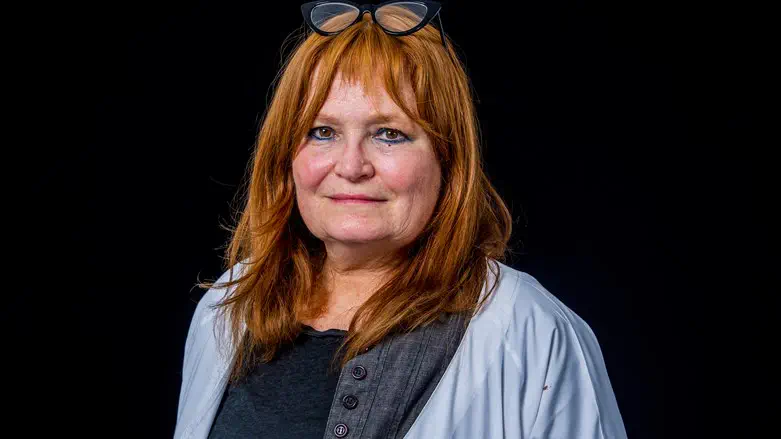
Prof. Galia Rahav, head of the infectious diseases unit at Sheba Hospital, on Thursday commented on the significant increase in cases of COVID-19 in Israel in recent days.
"It is a very sophisticated virus, and knows how to change and evade our natural and artificial vaccines. I think we are in a much better place now. The vaccines are still effective - if not against infections, then certainly against serious illness and hospitalizations. We are less afraid of it," said Rahav in an interview with Radio 103FM.
The existing restrictions should be maintained, she opined. "The masks are very significant. It does not make sense to go into a closed space and not see everyone wearing masks. We must approach every person who has not been vaccinated, go to each individual, and try to convince him [to get the vaccine]. There are patients who do not get tested and even go to work. It is important to keep the guidelines."
Earlier on Thursday, Prime Minister Naftali Bennett and Health Minister Nitzan Horowitz held a discussion focusing on the vaccination effort and continued dealing with the coronavirus.
The HMOs and the COVID taskforce presented the "Kol Hamatzil" campaign, which details a series of actions to increase vaccinations among those over 60 including, among other things, giving budgetary incentives to the HMOs in order to encourage vaccinations, initiated SMS messages, a media and social media campaign, and home vaccinations (if necessary).
The Health Ministry, IDF Home Front Command, the Transportation Ministry and the Defense Ministry civil defense director also presented a comprehensive plan on dealing with the spread of a new and virulent coronavirus variant that includes among other things quickly closing the skies and border crossings in order to prevent the entry of future variants.
Prime Minister Bennett accepted the recommendation of the Health Ministry to extend the existing policy for dealing with the coronavirus and deferring entry into a "between the waves" routine until May 1, 2022.
Pursuant to the foregoing, the activity of the IDF Home Front Command and Health Ministry command centers will continue, as well as that of those responsible for coronavirus policy at educational institutions and local authorities. Testing – including sewage monitoring, radar systems and the purchase of antigen kits – will also continue, as will the deployment of air filters in educational institutions.