
Over nuclear program
US and allies push for UN action against Iran
The US, Britain, France and Germany are seeking an IAEA resolution referring Iran to the UN Security Council over its nuclear program.
The US, Britain, France and Germany are seeking an IAEA resolution referring Iran to the UN Security Council over its nuclear program.
The IAEA says a Syrian site bombed by Israel in 2007 held infrastructure consistent with a nuclear reactor and that Assad-era authorities failed to declare nuclear activities.
Syrian Foreign Minister announces that the IAEA will receive access to a site in Deir ez-Zor after more than 18 years, effectively confirming the presence of nuclear material in the country.
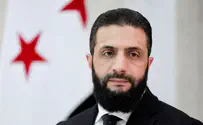
The IAEA will extract nuclear material from a secret Syrian site following a US-brokered deal with Damascus and Israel to avert a regional escalation, reports Axios.
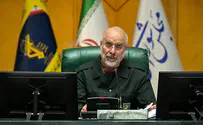
Iranian Parliament Speaker Ghalibaf rejects claims that UN inspectors would be allowed access to nuclear sites damaged by US and Israeli airstrikes.
President Trump said Iran has agreed to resume nuclear inspections, though Tehran insisted no new commitments on its nuclear program have yet been made.

According to an AP report, Trump envoy Steve Witkoff briefed US lawmakers that Iran will invite IAEA and American inspectors to audit its nuclear sites.
UN’s nuclear monitoring agency approves American-supported resolution mandating that Tehran disclose its remaining stockpiles of enriched uranium and permit international oversight.
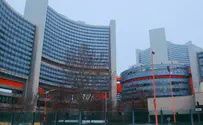
IAEA Director General Rafael Grossi says the majority of Iran’s highly enriched uranium is likely still stored at Isfahan, which was hit by airstrikes but sustained less damage than other sites.
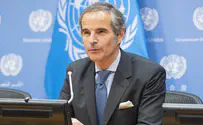
IAEA chief Rafael Grossi tells PBS Frontline that Iran's new underground enrichment facility in Isfahan remains uninspected, calling it an “object of interest".
IAEA reports that Iran’s heavy water production plant at Khondab has been severely damaged and is no longer operational following an Israeli strike.
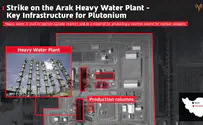
'Up to 60 percent of enriched uranium is still stored in tunnels in Isfahan, allowing Iran to produce a nuclear bomb in a short period of time,' says Rafael Grossi, head of the International Atomic Energy Agency.
IAEA chief Rafael Grossi says more than 200 kg of Iran’s 60% enriched uranium is believed to remain at the Isfahan tunnel complex, one of the few nuclear sites not badly damaged in June strikes.
The IAEA says satellite imagery shows no damage to facilities containing nuclear material in Iran and no radiation risk.
IAEA chief Rafael Grossi warns that Iran’s stockpile of near-weapons-grade uranium and limited inspector access raise serious concerns, as the agency confirms damage to Natanz.
IAEA officially confirms damage to nuclear facility, which had appared intact earlier this week.
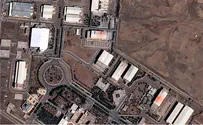
New IAEA report reveals Iran has denied access to nuclear sites bombed in June, leaving key details of its uranium stockpile unverified.
Iranian Foreign Minister Abbas Araghchi says IAEA must reach agreement with his country on protocols for visits to nuclear sites struck by US.
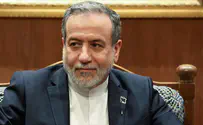
Iran’s nuclear chief says nuclear weapons have “no place" in Iran’s doctrine, rejects US pressure ahead of IAEA meeting.
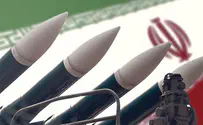
IAEA chief Rafael Grossi warns Iran must account for missing enriched uranium and allow inspections at bombed sites, saying the standoff “cannot go on forever".
International Atomic Energy Agency warns that the large protective shield meant to contain radioactive materials at the Chernobyl nuclear reactor was compromised after a UAV strike.
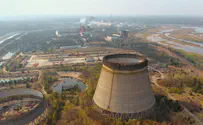
IAEA chief Rafael Grossi says inspectors remain barred from Iran’s damaged nuclear sites at Natanz, Isfahan and Fordow after US strikes, with Tehran limiting cooperation despite partial inspection agreements.
Argentina nominates IAEA chief Rafael Grossi as UN Secretary-General in 2027. He is backed by Paraguay and Italy as well.
IAEA chief Rafael Grossi vows to restore full verification in Iran, as Iran condemns a motion censuring it over lack of cooperation.
Iranian official calls IAEA resolution 'anti-Iran,' says country weighing withdrawal from key nuclear treaty.
Iran’s FM Araghchi says IAEA won’t access bombed nuclear sites without a deal. He rules out missile talks, slams US demands, and declares talks with Europe “no longer useful” after sanctions snapback.
The US and Europe submit a draft resolution demanding Iran open bombed nuclear sites and account for enriched uranium. Iran warns of retaliation if the IAEA adopts the measure.
IAEA says in latest report that Iran has blocked access to bombed nuclear sites for five months. The agency warns its enriched uranium stockpile is unverified and calls the situation “a matter of serious concern.”
Iran says UN inspectors visited nuclear sites last week, denies violating treaty terms, while accusing IAEA of enabling Israeli strikes.
The head of the International Atomic Energy Agency, Rafael Grossi, says that Iran has not resumed uranium enrichment since the outbreak of the war with Israel in June.
Despite heavy US-Israeli strikes, Iran retains most of its enriched uranium, says IAEA chief Rafael Grossi.
Iran says its Cairo nuclear deal with the IAEA is no longer valid after E3-triggered snapback sanctions. FM Araghchi warns the move hampers diplomacy.
IAEA chief Rafael Grossi warns Iran talks are at a “difficult juncture” as snapback sanctions near. Dialogue continues, but Tehran accuses Europe of undermining diplomacy.
Iran's top security body says it will suspend cooperation with the UN's nuclear watchdog following a UN Security Council vote to reimpose sanctions.
Iran abruptly withdraws a resolution condemning attacks on its nuclear sites, a move Western diplomats say followed intense US lobbying and a threat to cut IAEA funding.
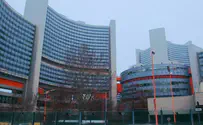
US Energy Secretary Chris Wright declares that Iran's nuclear program must be "completely dismantled" following joint US-Israeli attacks on its enrichment plants.
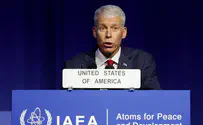
Iran signs new nuclear framework with IAEA in Cairo, marking first talks since June war with Israel. Tehran demands guarantees before resuming US negotiations.
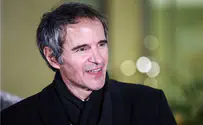
Institute for Science and International Security report finds that 'for the first time in over 15 years, Iran has no identifiable route to produce weapon-grade uranium in its centrifuge plants.'

IAEA chief Rafael Grossi warns time is short to resume nuclear inspections in Iran. Talks continue as Europe threatens sanctions unless Tehran complies and re-engages in nuclear diplomacy.
Iran says it’s close to a new IAEA deal, but demands respect and sovereignty before resuming nuclear cooperation.
IAEA reports Iran expanded 60% enriched uranium stockpile ahead of Israeli strikes, raising serious concerns over inspections and verification access.
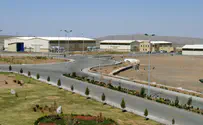
International Atomic Energy Agency says it found uranium traces at a Syrian site bombed by Israel in 2007, renewing concerns it was a secret reactor.
Iran says it will continue nuclear talks with the IAEA despite a recent Israeli-American bombing campaign that destroyed key sites.
The IAEA's deputy head will visit Iran Monday to ease tensions, but no inspections will occur. Iran's Foreign Minister Araghchi reiterates that cooperation is contingent on new terms.
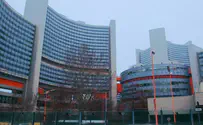
A delegation from the International Atomic Energy Agency, visiting Iran next week, is authorized solely to hold technical and professional discussions.
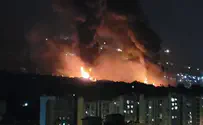
Departure follows Tehran's suspension of cooperation with UN atomic agency and rising threats against IAEA leadership.
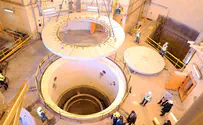
Iran officially suspends cooperation with the UN nuclear watchdog, a move the US calls "unacceptable." This follows a 12-day conflict with Israel and US strikes on Iranian nuclear facilities.
UN nuclear watchdog chief Rafael Grossi reveals that Iran could resume enriched uranium production "in a matter of months," despite extensive damage from recent US and Israeli strikes.
Following US and Israeli strikes on its nuclear facilities, Iran announces it has ceased cooperation with the UN nuclear watchdog. Iran's Foreign Minister cites the IAEA's failure to condemn the attacks and its "regrettable role" in past issues as reasons.
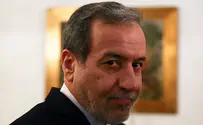
IAEA Director General Rafael Grossi confirms "considerable damage" to Iran's Fordow enrichment plant, stating centrifuges are "no longer operational" after recent strikes.
Iran's Parliament approves a bill to suspend cooperation with the UN nuclear watchdog, following the war with Israel.
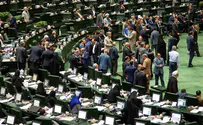
IAEA Director General Rafael Grossi tells Fox News that Iran's nuclear program has been "significantly" set back, a "night and day" difference from before June 13.
The IAEA reports "radiological and chemical contamination" at Iran's Natanz nuclear facility, with IAEA chief Grossi warning of "significant danger" from alpha particles following Israeli strikes that likely damaged centrifuges.
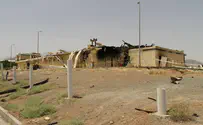
UN nuclear watchdog confirms Israeli strikes damaged the heavy water production plant in Arak, says the plant was not operational and contained no nuclear material.
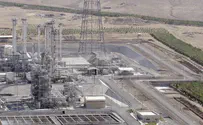
IAEA chief Rafael Grossi confirms Iranian centrifuges at Natanz were "severely damaged if not destroyed altogether" by Israeli strikes.
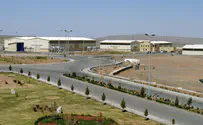
In resolution backed by 19 nations, IAEA declares Iran in breach of its nuclear monitoring commitments, marking rare escalation amid warnings Tehran is nearing nuclear capability.
Western powers submit a resolution to the UN's nuclear watchdog condemning Iran's "non-compliance" with its nuclear obligations.
In his first interview with Israeli media, International Atomic Energy Agency head Rafael Mariano Grossi tells i24NEWS an attack on Iran's nuclear program could have catastrophic consequences.

Western nations to table a resolution at the UN nuclear agency, accusing Iran of non-compliance with safeguards obligations—a first in 20 years.
Syria's new government grants the UN nuclear watchdog immediate access to suspected former nuclear sites, according to IAEA chief Rafael Grossi.