

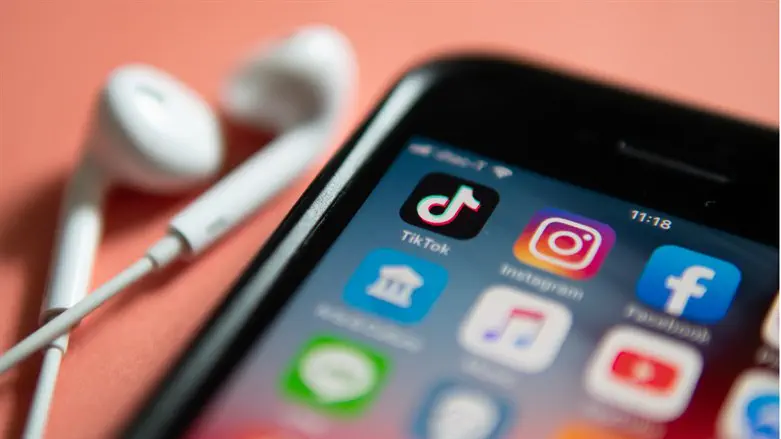
Social networking service TikTok on Sunday became the latest company to take action against Russia following its invasion of Ukraine, announcing it is immediately halting livestreaming and the posting of new content as the company evaluates the escalating situation in Russia.
“TikTok is an outlet for creativity and entertainment that can provide a source of relief and human connection during a time of war when people are facing immense tragedy and isolation. However, our highest priority is the safety of our employees and our users, and in light of Russia's new ‘fake news’ law, we have no choice but to suspend livestreaming and new content to our video service in Russia while we review the safety implications of this law,” the company said in a statement.
“Our in-app messaging service will not be affected. We will continue to evaluate the evolving circumstances in Russia to determine when we might fully resume our services with safety as our top priority,” it added.
Several companies have taken steps against Russia since it launched its invasion of Ukraine. Last week Meta, the parent company of Facebook, announced that it would be restricting access to Russian state-controlled media in Europe, including RT and Sputnik.
Meta added that content from Russia state-controlled media would be demoted on Facebook and Instagram, and that links from those outlets would be labeled in order to give “context” to people who do access them.
Music streaming giant Spotify announced last Wednesday it is closing its Russia-based office and removing Russian state-sponsored content from its service.
Twitter began taking steps against Russian content on Tuesday, announcing that it would be labeling all websites affiliated with the Russian government and reducing the circulation of their content. According to Yoel Roth, head of site integrity at Twitter, over 45,000 tweets a day share links to Russian state-affiliated media outlets. These will now be stamped with “Stay Informed” labels.
Over at Google, its Google Maps service is no longer showing live traffic data in Ukraine out of concern that it could be used by Russia to identify troop movements. Google Pay has stopped working in Russia, and YouTube has announced that it will begin blocking channels that have links to Russia state-backed media outlets across Europe, due to their “spread of disinformation.” Google’s Alphabet has begun blocking mobile apps connected to RT and Sputnik media from its Play store.
Apple is no longer selling its products in Russia and has removed RT’s and Sputnik’s apps from its App Store outside Russia. Following in Google’s footsteps it has disabled traffic incidents on its Apple Maps in Ukraine.